Can a bird teach us to listen better than a smartphone can? Janet Halfmann’s Who Is Singing? explores this surprising question. Read the full review to discover why attentive ears may become a child’s greatest tool.
Who Is Singing? by Janet Halfmann
Genre: Children’s Picture Book
Sub-genres: Nature Picture Book, Educational Picture Book, Early Science, Wildlife Learning, Interactive Read-Aloud
Themes: Birds, Nature Observation, Listening Skills, Curiosity, Outdoor Exploration, Animal Behavior, Environmental Awareness
Recommended Minimum Age: 4+
Some books ask children to turn pages. Others ask them to participate. Who Is Singing? belongs firmly in the second category.
Imagine standing in a park early in the morning. You hear sounds drifting through the trees, but you cannot see where they are coming from. Most people recognize the experience. Scientists who study attention have found that actively listening strengthens observation skills and encourages curiosity about the surrounding environment. Janet Halfmann’s picture book transforms that simple act of listening into an enjoyable game that introduces young readers to the fascinating world of birds.
The structure is deceptively simple. A sound appears first. A question follows. Readers are invited to guess the source before turning the page to discover the answer. This pattern repeats throughout the book, creating a rhythm that feels remarkably similar to real-life birdwatching. Instead of memorizing facts from a list, children become participants in a playful investigation.
The featured birds include familiar species such as robins, cardinals, blue jays, chickadees, crows, pigeons, and owls. Each is paired with a distinctive sound and a brief behavioral detail. The result is a gentle introduction to bird identification that avoids overwhelming young readers with technical information. The educational elements arrive naturally through repetition, observation, and curiosity.
Chrissy Chabot’s illustrations contribute significantly to the experience. The artwork favors clarity over complexity, making each bird easy to recognize while maintaining a cheerful visual style. Bright colors help distinguish species, and the recurring musical notes reinforce the book’s central idea that birds are part of nature’s orchestra.
One of the book’s greatest strengths is its encouragement of outdoor exploration. Many children encounter wildlife every day without realizing how much is happening around them. A robin searching for worms or a pigeon walking along a sidewalk can become a source of discovery when viewed with fresh attention. The book gently encourages readers to notice these everyday encounters.
The final informational section expands the learning experience by sharing accessible facts about bird calls and songs. Readers learn that birds use sounds for communication, territory, and attracting mates. These additions enhance the educational value without interrupting the story’s flow.
This book is especially well suited for young naturalists, classroom read-aloud sessions, family story times, library programs, and anyone who enjoys turning a walk outdoors into a small adventure. Readers looking for a dramatic narrative, a fantasy quest, or a character-driven story may find that this book pursues a different goal. Rather than telling a traditional story, it teaches a skill: paying attention.
That skill may be more valuable than it first appears. In a world filled with distractions, learning to pause, listen, and observe remains a powerful habit. Who Is Singing? celebrates that habit with warmth, simplicity, and enthusiasm. By the final page, readers may find themselves doing exactly what the book hopes they will do: stepping outside, listening carefully, and wondering which bird is singing nearby.
General Site Disclaimer
The content on Words of the Earth is intended for informational and inspirational purposes only. The views expressed by individual authors are their own and do not necessarily reflect those of the platform. Our articles, stories, and reviews may include subjective opinions and should not be considered professional advice (e.g., medical, legal, financial). While our reviewers may receive complimentary copies of books, they are not compensated for reviews, which reflect their genuine opinions. Readers are encouraged to use their judgment and seek professional assistance when necessary. For more details, please refer to our full disclaimer.
Earthly Links
- About Us
- Book of the Earth Award
- Book Review Requests Step 3
- Bookish Earth
- Disclaimer
- Earth Advocates
- Earthly Interviews
- Earthly Views: An Expert Roundup Series
- Gallery and Credits
- Privacy Policy
- Review Requests
- Terms of Service
- Contact Us
Related Posts
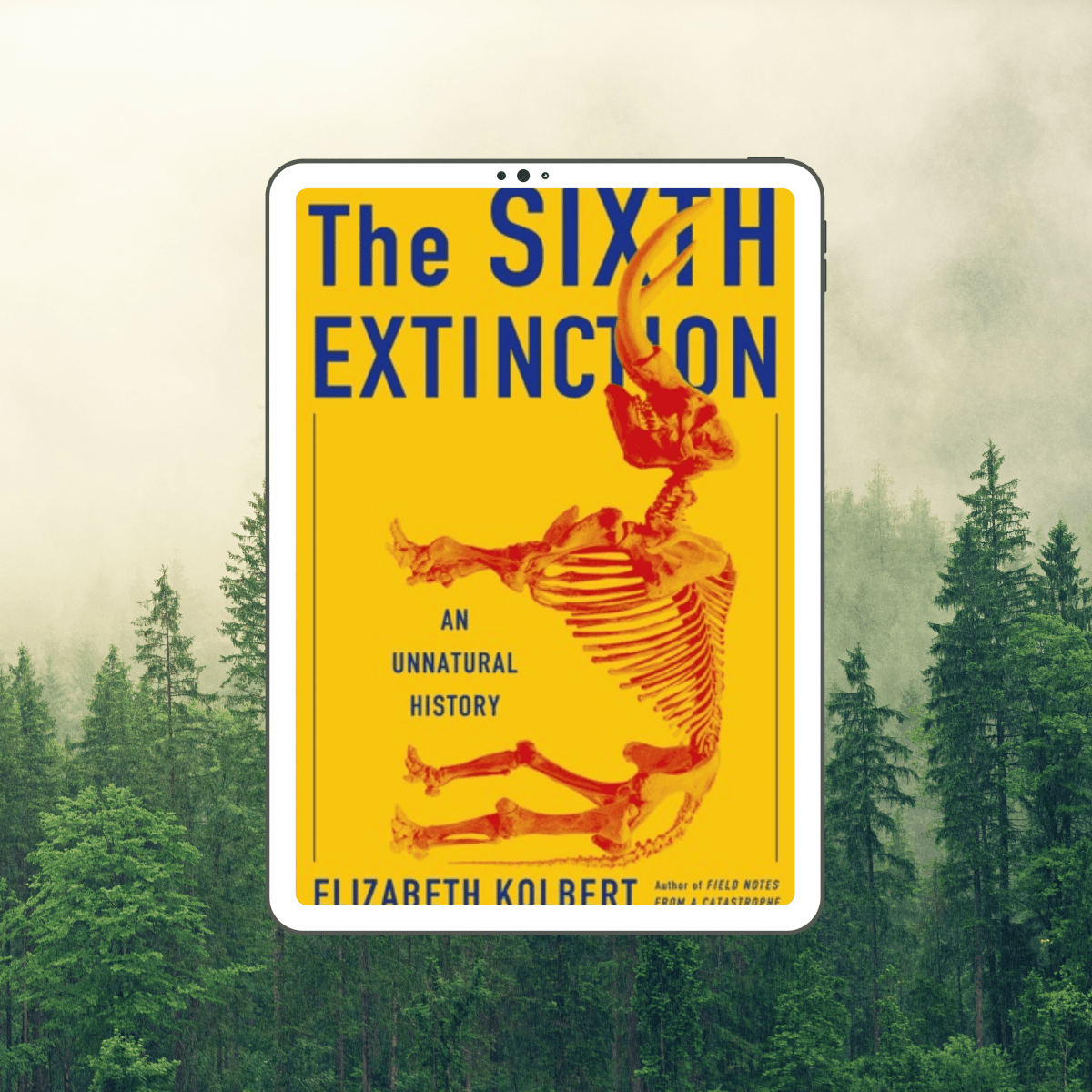
Book Review: The Sixth Extinction by Elizabeth Kolbert
In The Sixth Extinction: An Unnatural History, Elizabeth Kolbert traces the devastating consequences of human activity on Earth’s biodiversity, documenting…
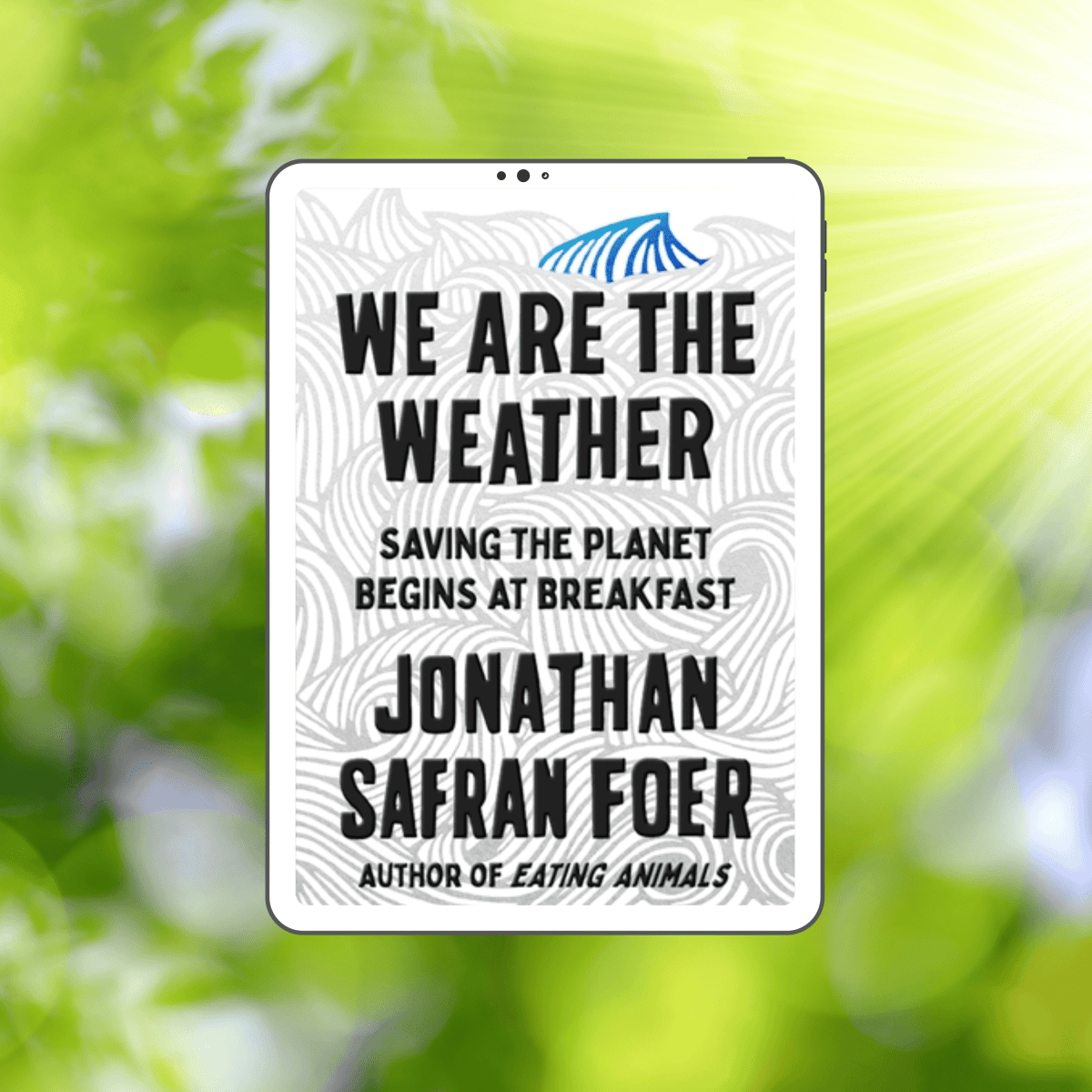
Book Review: We Are the Weather by Jonathan Safran Foer
We Are the Weather: Saving the Planet Begins at Breakfast by Jonathan Safran Foer is a compelling call to action…

Book Review: The Story of Stuff by Annie Leonard
The Story of Stuff by Annie Leonard uncovers the hidden toll of consumer culture on the environment and society, urging…

Book Review: Silent Spring by Rachel Carson
Rachel Carson’s groundbreaking book, Silent Spring, reveals the hidden dangers of pesticides, particularly DDT, and urges readers to reconsider our…
Something went wrong. Please refresh the page and/or try again.
Discover more from Words of the Earth
Subscribe to get the latest posts sent to your email.
 Words of the Earth