Non-fiction, Environmental
The Story of Stuff by Annie Leonard uncovers the hidden toll of consumer culture on the environment and society, urging readers to rethink their consumption habits.
Review
Cycle of Consequences
Annie Leonard’s The Story of Stuff is a wake-up call woven through the fabric of consumer culture, exposing how each stage of a product’s life—from extraction to disposal—carries significant ecological and social repercussions. The narrative starts with a simple question: Where do the items we use every day come from, and what happens when we’re done with them? Leonard’s answer unfolds as an unsettling revelation of a system fueled by overconsumption and profit at the expense of the Earth and human welfare. Readers are drawn into the book through Leonard’s approachable yet authoritative tone, which makes complex systems clear without diluting their gravity.
One striking example Leonard provides is how only a fraction of discarded items are recycled, leaving the bulk to choke landfills or pollute waterways and air. This fact underscores the false sense of security often associated with recycling, shifting attention to the need for deeper systemic change. Leonard’s observations touch on familiar, relatable moments—impulse shopping, marketing-driven desires, and the convenience culture—that make readers see their own participation in this cycle. The book bridges the gap between disheartening truths and hopeful solutions, urging not just individual changes but policy shifts that hold corporations accountable for the full lifecycle of their products.
The Story of Stuff embodies a vision that resonates with environmental ethics and sustainability, offering practical examples of how communities and individuals can push for change. The importance of shared responsibility, mindful consumption, and grassroots advocacy weaves throughout Leonard’s arguments, making her message more than a critique; it’s a rallying cry. Leonard’s words compel readers to look beyond immediate convenience and consider the wider implications of their choices, envisioning a future that prioritizes ecological balance and social justice.
This book presents no notable triggers or adult themes, maintaining an informative, accessible style.
Reading Leonard’s work feels like peeling back the layers of a seemingly ordinary object to find the interconnected web of nature and human influence, revealing both fragility and potential.
General Site Disclaimer
The content on Words of the Earth is intended for informational and inspirational purposes only. The views expressed by individual authors are their own and do not necessarily reflect those of the platform. Our articles, stories, and reviews may include subjective opinions and should not be considered professional advice (e.g., medical, legal, financial). While our reviewers may receive complimentary copies of books, they are not compensated for reviews, which reflect their genuine opinions. Readers are encouraged to use their judgment and seek professional assistance when necessary. For more details, please refer to our full disclaimer.
Earthly Links
- About Us
- Book of the Earth Award
- Book Review Requests Step 3
- Bookish Earth
- Disclaimer
- Earth Advocates
- Earthly Interviews
- Earthly Views: An Expert Roundup Series
- Gallery and Credits
- Privacy Policy
- Review Requests
- Terms of Service
- Contact Us
Related Posts
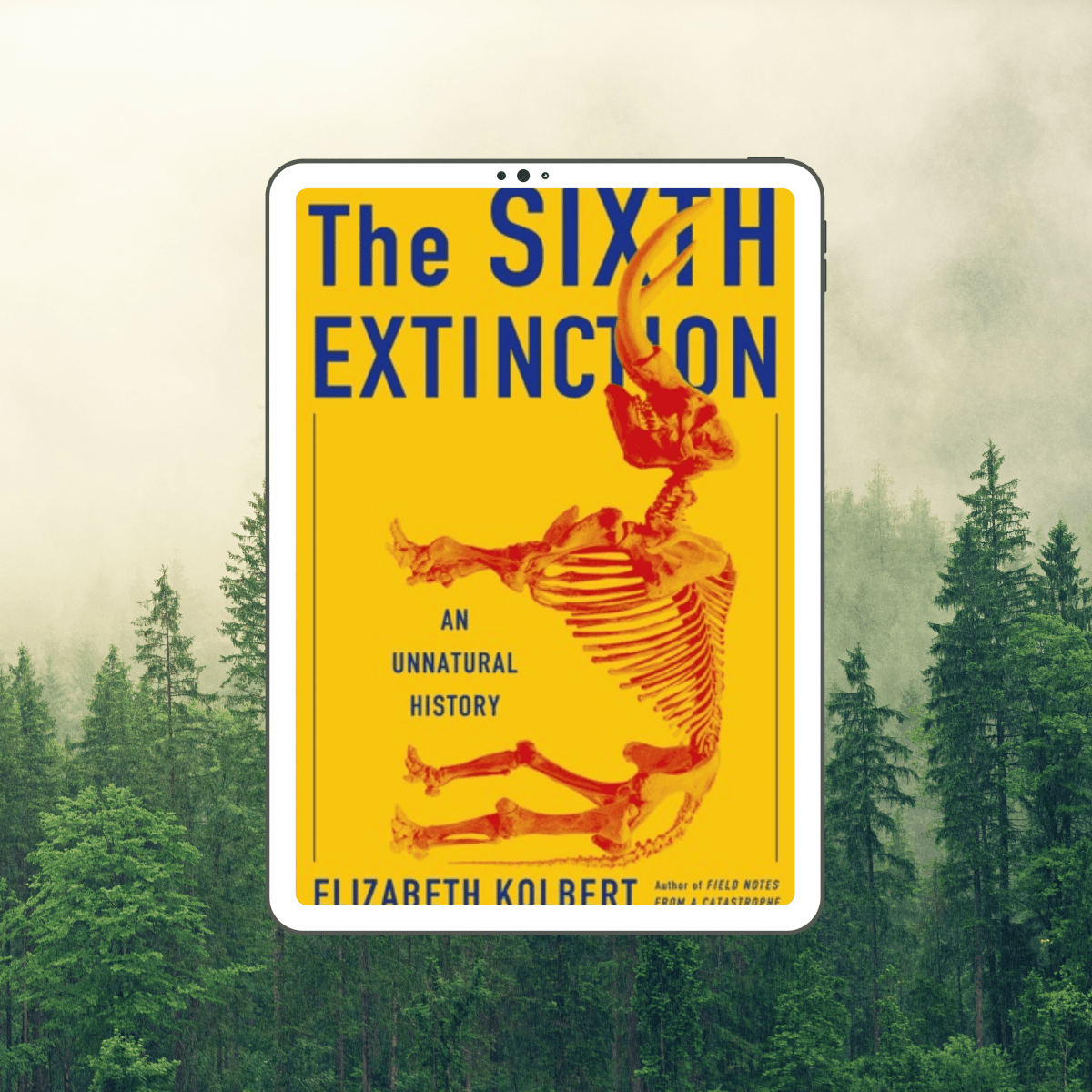
Book Review: The Sixth Extinction by Elizabeth Kolbert
In The Sixth Extinction: An Unnatural History, Elizabeth Kolbert traces the devastating consequences of human activity on Earth’s biodiversity, documenting…
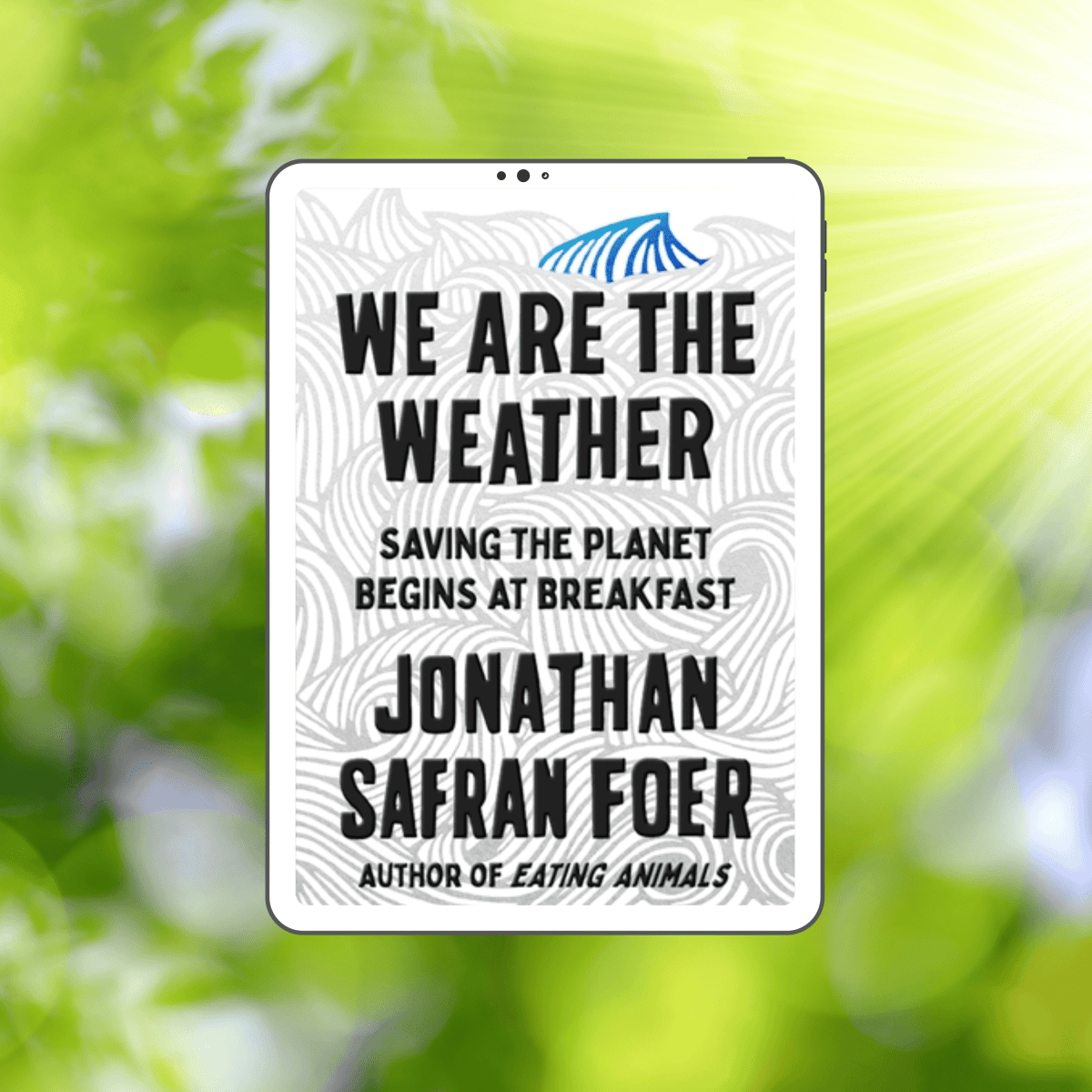
Book Review: We Are the Weather by Jonathan Safran Foer
We Are the Weather: Saving the Planet Begins at Breakfast by Jonathan Safran Foer is a compelling call to action…

Book Review: Silent Spring by Rachel Carson
Rachel Carson’s groundbreaking book, Silent Spring, reveals the hidden dangers of pesticides, particularly DDT, and urges readers to reconsider our…

Book Review: The Overstory by Richard Powers
The Overstory by Richard Powers is a sweeping novel weaves together the lives of disparate characters, connected by their relationships…
Something went wrong. Please refresh the page and/or try again.
Discover more from Words of the Earth
Subscribe to get the latest posts sent to your email.
 Words of the Earth