Nonfiction, Environmental Science
Rachel Carson’s groundbreaking book, Silent Spring, reveals the hidden dangers of pesticides, particularly DDT, and urges readers to reconsider our impact on the environment before it’s too late.
Nature’s Warning Cry
Imagine waking up one spring morning to a world without birdsong—a silent season, stripped of nature’s music. Rachel Carson begins with this haunting possibility, drawing readers into the heart of Silent Spring with a question that resonates even decades later: how would it feel to live in a world where life itself is under silent siege? Carson’s work was one of the first to show how pesticides, intended to rid fields of insects, could disrupt entire ecosystems. By tracing the insidious path of chemicals through the environment, Carson crafts a story that’s both scientifically rigorous and emotionally stirring, revealing how one small disruption in nature’s chain can lead to the collapse of an entire network of life.
Carson carefully presents the scientific evidence against chemical pesticides in Silent Spring, drawing on ecological observations as well as case studies. By showing how these “miracle” chemicals enter food chains, rivers, and even human bodies and cause havoc along the way, she reveals the sometimes disregarded effects of pesticides. A key theme highlighted by Carson’s thorough research is that the survival of entire species may be at stake in exchange for human convenience. Her remarks serve as a potent reminder that there are repercussions for recklessly altering the earth’s ecosystems and that our relationship with nature is intertwined. As she exhorts readers to support laws that safeguard not only human interests but also the interests of all living things, Carson makes her call to action very apparent.
Silent Spring, which captures Carson’s respect for nature and her genuine concern for its future, is more than just a scientific treatise; it is a profound meditation on environmental stewardship. Carson challenges readers to reevaluate humanity’s role in nature and to appreciate its intrinsic beauty and harmony rather than just asking them to cease using chemicals. Her work is a potent illustration of how science can spur significant change when combined with a feeling of accountability. Carson’s words ring true, reminding us of the consequences of our choices and the optimism that change is possible with awareness, much like the silent warnings of nature itself.
General Site Disclaimer
The content on Words of the Earth is intended for informational and inspirational purposes only. The views expressed by individual authors are their own and do not necessarily reflect those of the platform. Our articles, stories, and reviews may include subjective opinions and should not be considered professional advice (e.g., medical, legal, financial). While our reviewers may receive complimentary copies of books, they are not compensated for reviews, which reflect their genuine opinions. Readers are encouraged to use their judgment and seek professional assistance when necessary. For more details, please refer to our full disclaimer.
Earthly Links
- About Us
- Book of the Earth Award
- Book Review Requests Step 3
- Bookish Earth
- Disclaimer
- Earth Advocates
- Earthly Interviews
- Earthly Views: An Expert Roundup Series
- Gallery and Credits
- Privacy Policy
- Review Requests
- Terms of Service
- Contact Us
Related Posts
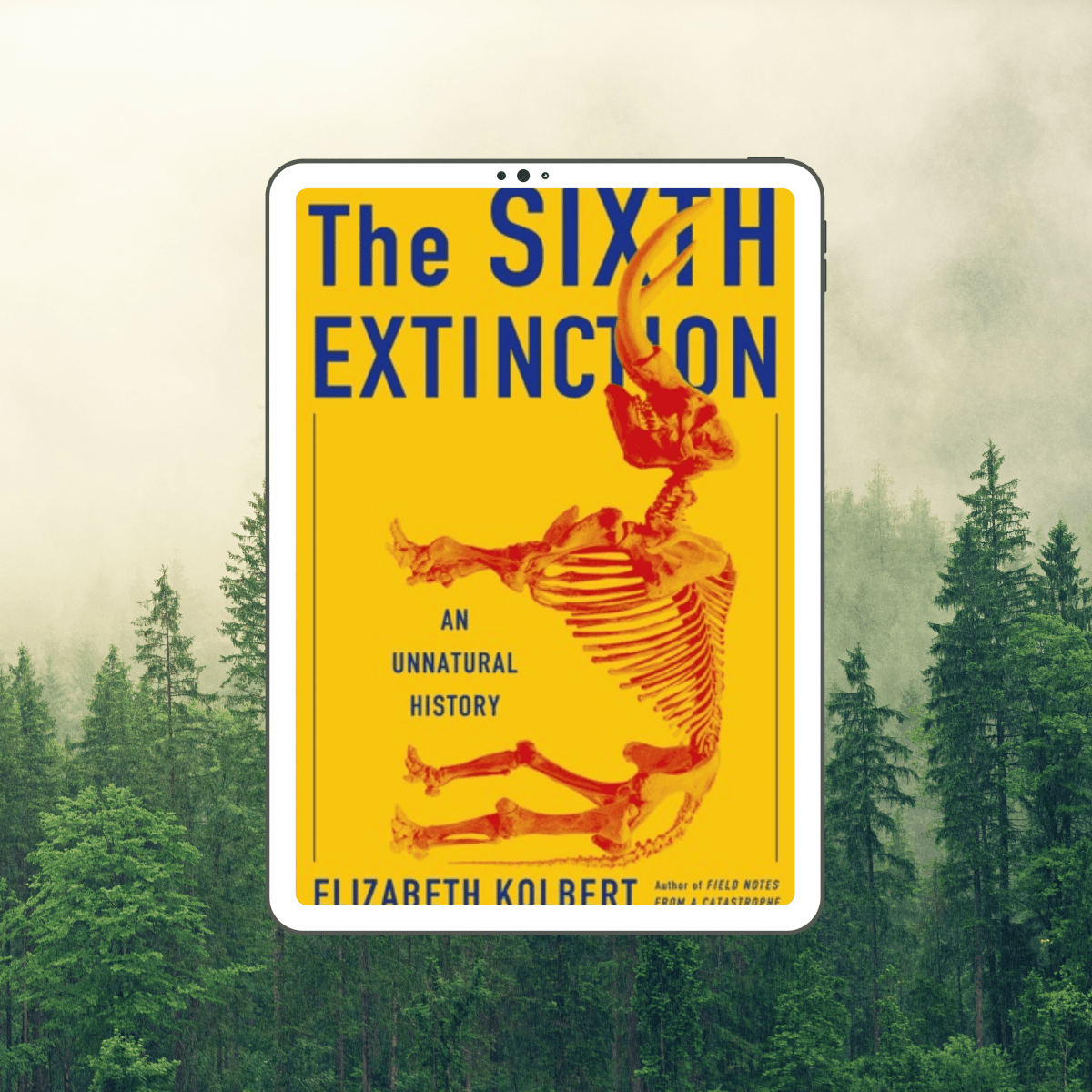
Book Review: The Sixth Extinction by Elizabeth Kolbert
In The Sixth Extinction: An Unnatural History, Elizabeth Kolbert traces the devastating consequences of human activity on Earth’s biodiversity, documenting…
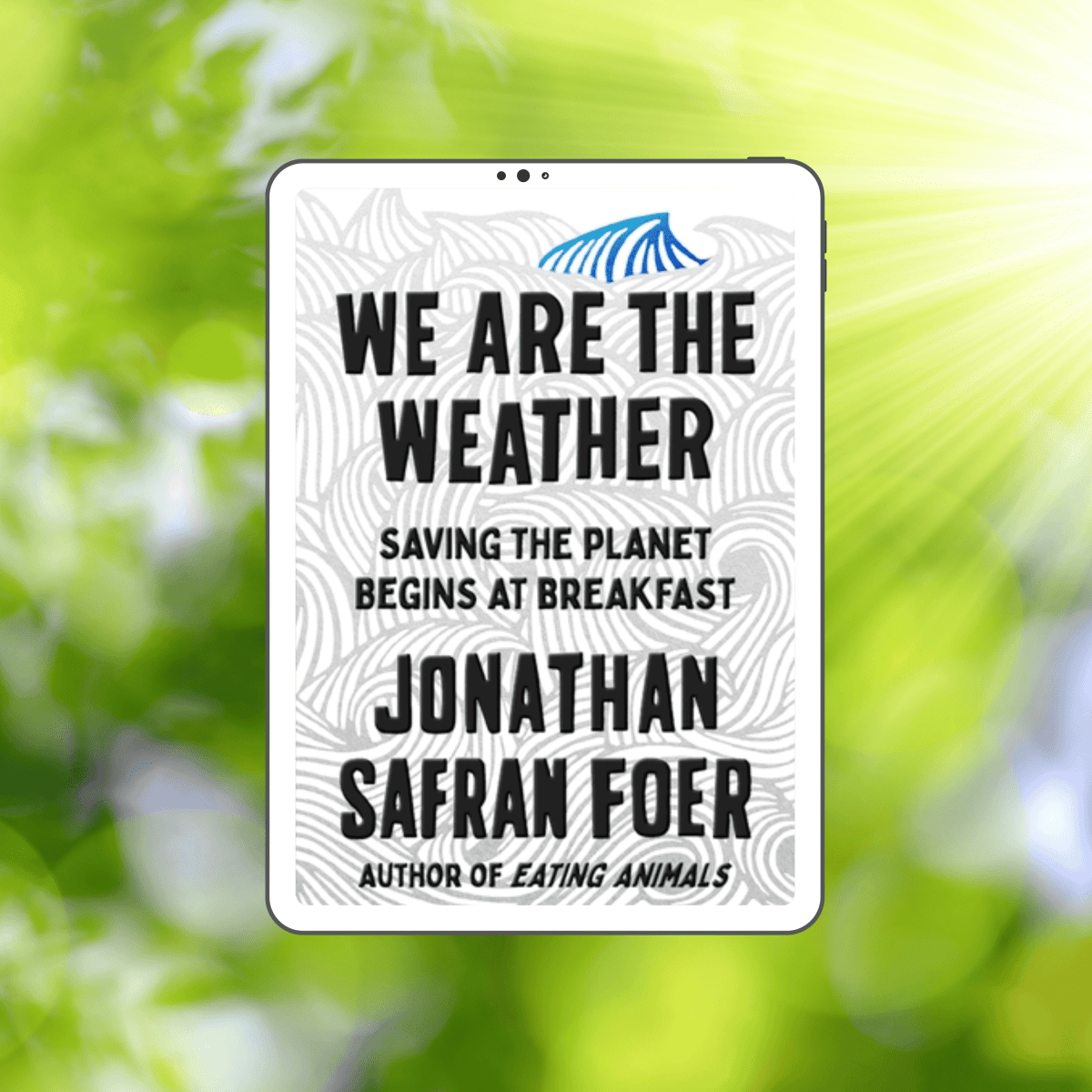
Book Review: We Are the Weather by Jonathan Safran Foer
We Are the Weather: Saving the Planet Begins at Breakfast by Jonathan Safran Foer is a compelling call to action…

Book Review: The Story of Stuff by Annie Leonard
The Story of Stuff by Annie Leonard uncovers the hidden toll of consumer culture on the environment and society, urging…

Book Review: The Overstory by Richard Powers
The Overstory by Richard Powers is a sweeping novel weaves together the lives of disparate characters, connected by their relationships…
Something went wrong. Please refresh the page and/or try again.
Discover more from Words of the Earth
Subscribe to get the latest posts sent to your email.
 Words of the Earth