Genre: Philosophy, Nature, Nonfiction
In Walden, Henry David Thoreau chronicles his experiment in living simply and deliberately in a cabin he built near Walden Pond, offering reflections on nature, solitude, and the meaning of life.
Simple Life, Profound Insights
Imagine walking into the woods with nothing but your thoughts and the open sky above. This is essentially what Thoreau did in the mid-1800s when he decided to retreat to a cabin by Walden Pond for two years, not out of necessity but as an experiment in living a more purposeful, self-reliant life. Thoreau was not merely escaping society; he was seeking a deeper connection with the natural world, an intimate understanding of its rhythms, and an alternative to the relentless consumerism of his time. His observations about the world around him, from the song of birds to the changing of the seasons, are infused with a rare, almost spiritual reverence for the simplicity of life. What is most striking is how his reflections, though grounded in the specifics of his time and place, remain startlingly relevant today—especially in our fast-paced, hyper-connected world where few of us take the time to pause, reflect, or truly appreciate the beauty of the world just outside our doors.
At its heart, Walden is a call to live more intentionally and deliberately, to shed the excesses of modern life, and to seek satisfaction not through accumulation but through awareness and engagement with the world around us. Thoreau rejects the notion that happiness is tied to wealth or material success, urging us to consider whether the time spent chasing external rewards is truly enriching. His famous line, “I wanted to live deep and suck out all the marrow of life,” encapsulates the ethos of the book: to fully embrace life by experiencing it on a deeper level, untainted by distractions. In the stillness of Walden Pond, he contemplates not only nature but the nature of society itself, critiquing the artificial pursuits that often dominate our lives. This isn’t just about getting away from society; it’s about questioning the fundamental values that guide us.
In a world where environmental concerns are more urgent than ever, Walden offers an early critique of the disconnect between humanity and the land that sustains it. Thoreau’s reflections on the interdependence of life and nature—his simple joy in the movement of the animals and the changing seasons—remind us of the delicate balance that exists between humans and their environment. By choosing to live close to nature, Thoreau demonstrates that it is not through domination but through harmony with our surroundings that we find true peace. His approach to sustainability, while rooted in his time, speaks volumes about the need for self-sufficiency, mindfulness, and a deeper respect for the natural world. Thoreau suggests that our modern lives, so steeped in technology and consumption, are impoverished in comparison to the richness found in a life lived more directly and simply.
While Walden is a philosophical text, it is not without practical wisdom. Thoreau speaks of the satisfaction that comes from hard work, self-reliance, and simplicity, offering readers not just a critique of contemporary life, but a way to engage with it more consciously. There are no graphic depictions of violence, no crude language, and no adult content in Walden, though some readers may find Thoreau’s idealistic views on society, technology, and progress to be impractical or overly critical.
Reading Walden is like drinking deeply from a clear spring—its cool, quiet simplicity refreshes the soul and helps clear the cluttered mind. Thoreau’s reflections urge us to recalibrate, to remember that in nature, as in life, the most profound answers often come from the simplest questions.
General Site Disclaimer
The content on Words of the Earth is intended for informational and inspirational purposes only. The views expressed by individual authors are their own and do not necessarily reflect those of the platform. Our articles, stories, and reviews may include subjective opinions and should not be considered professional advice (e.g., medical, legal, financial). While our reviewers may receive complimentary copies of books, they are not compensated for reviews, which reflect their genuine opinions. Readers are encouraged to use their judgment and seek professional assistance when necessary. For more details, please refer to our full disclaimer.
Earthly Links
- About Us
- Book of the Earth Award
- Book Review Requests Step 3
- Bookish Earth
- Disclaimer
- Earth Advocates
- Earthly Interviews
- Earthly Views: An Expert Roundup Series
- Gallery and Credits
- Privacy Policy
- Review Requests
- Terms of Service
- Contact Us
Related Posts
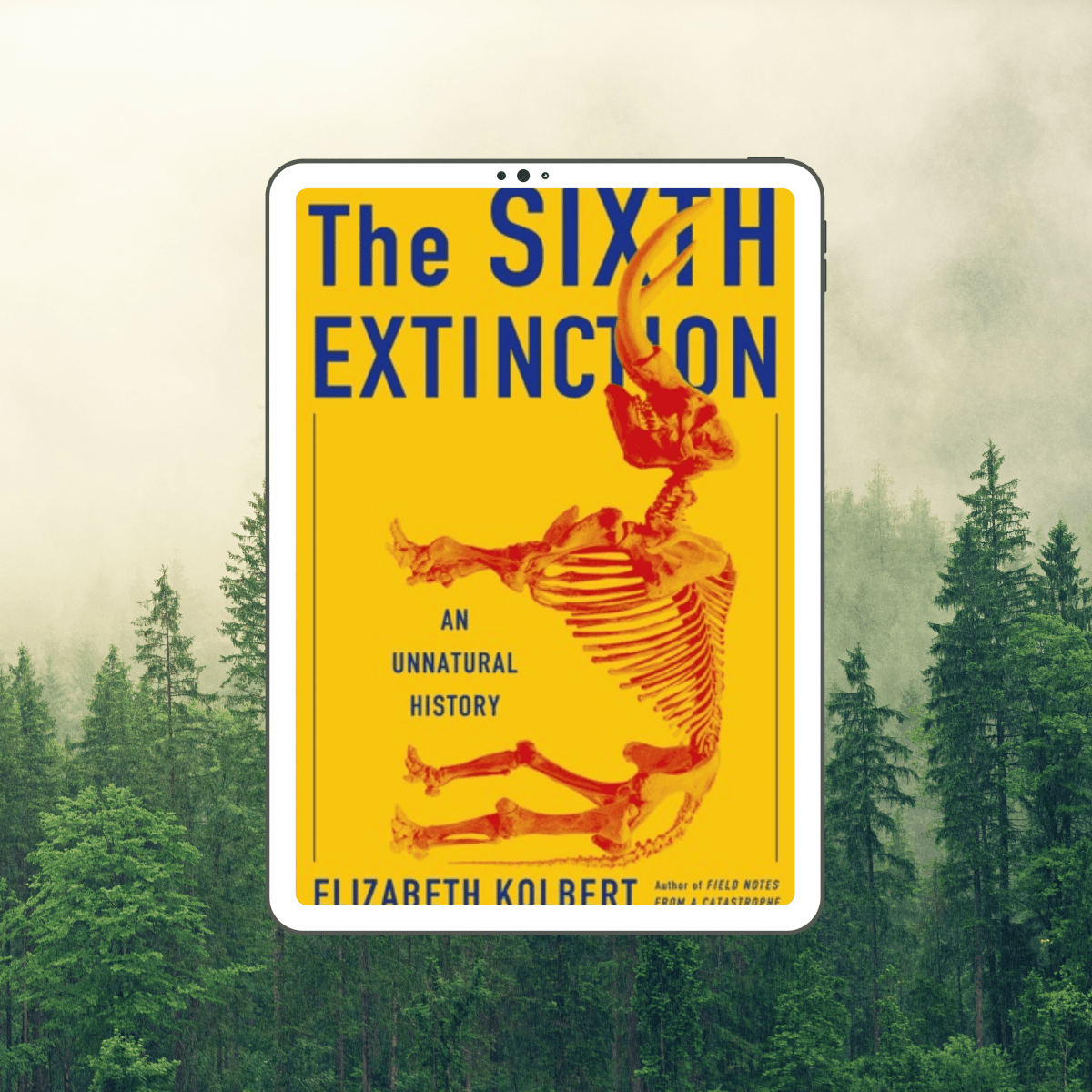
Book Review: The Sixth Extinction by Elizabeth Kolbert
In The Sixth Extinction: An Unnatural History, Elizabeth Kolbert traces the devastating consequences of human activity on Earth’s biodiversity, documenting…
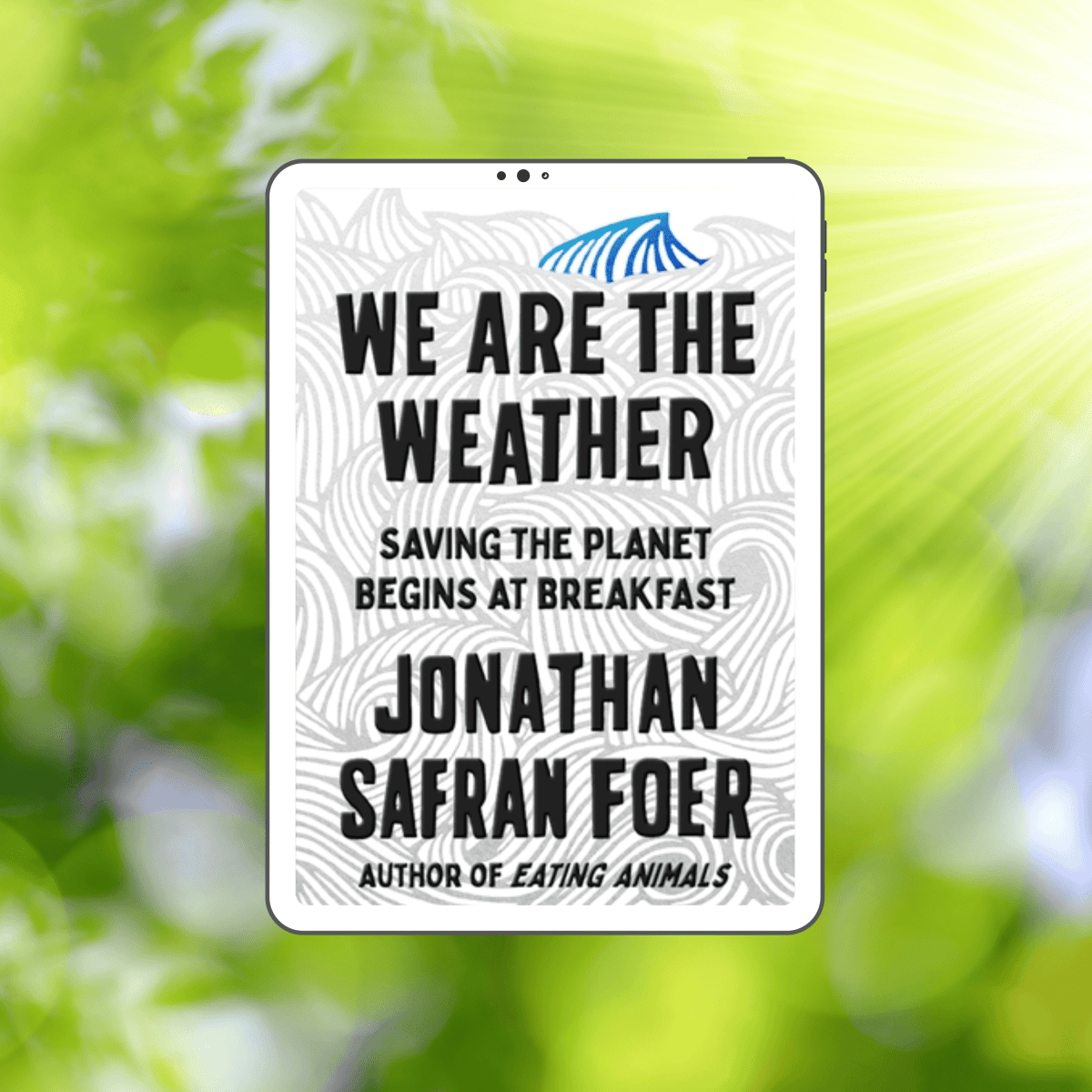
Book Review: We Are the Weather by Jonathan Safran Foer
We Are the Weather: Saving the Planet Begins at Breakfast by Jonathan Safran Foer is a compelling call to action…

Book Review: The Story of Stuff by Annie Leonard
The Story of Stuff by Annie Leonard uncovers the hidden toll of consumer culture on the environment and society, urging…

Book Review: Silent Spring by Rachel Carson
Rachel Carson’s groundbreaking book, Silent Spring, reveals the hidden dangers of pesticides, particularly DDT, and urges readers to reconsider our…
Something went wrong. Please refresh the page and/or try again.
Discover more from Words of the Earth
Subscribe to get the latest posts sent to your email.
 Words of the Earth