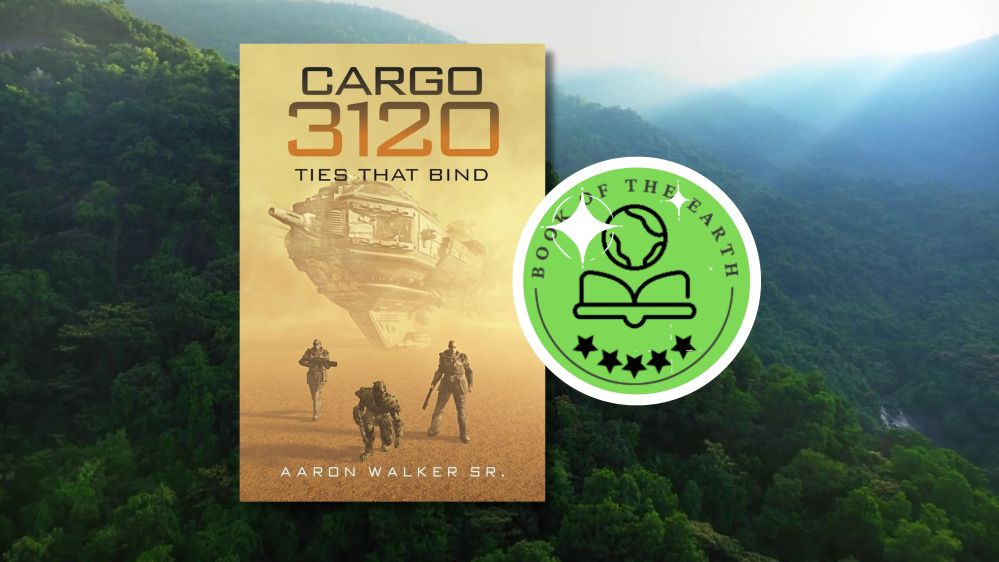
- Genre: Science Fiction, Action-Adventure
- Amazon: https://www.amazon.com.au/Cargo-3120-Ties-that-Bind/dp/1649613598
What Would You Sacrifice for Krillium?
“Science fiction is not predictive; it is descriptive,” said Ursula K. Le Guin. In Cargo 3120, Aaron Walker Sr. takes this sentiment to heart, creating a gripping narrative that describes not only a futuristic world but also the human (and non-human) flaws that thrive within it. As Marcus La’Dek and his mercenary crew traverse the galaxy, the story forces readers to question the price of survival and progress.
The Art of Combat and Consequences
At its core, the book is a tribute to the unsung strategic brilliance behind action. A standout scene involving the RAT—a towering robotic autonomous tank—is not just a fight but a chess match of wits and ingenuity. In a world where we celebrate innovation, could this relentless machine be a metaphor for humanity’s creations turning on us?
Betrayal: A Tale as Old as Time
Daren’s double-cross is more than a plot device; it echoes historical betrayals that have shaped civilizations. Think of Julius Caesar’s fateful encounter with Brutus—Aaron Walker Sr. captures the pain of such moments, making betrayal not just personal but epic.
A Glimpse at the Future of Energy Crises
The story’s central conflict revolves around Krillium, a rare resource critical for terraforming. Is it so different from Earth’s dependency on fossil fuels? With real-world energy shortages looming, the book serves as a cautionary tale about humanity’s relentless exploitation of natural resources.
A Question of Loyalty
Marcus’ leadership and sacrifice raise a timeless question: What does loyalty mean when survival is at stake? In a particularly heart-wrenching scene, his decision to cover for his team at great personal cost resonates with anyone who’s ever put others first in dire circumstances.
Content Warning: This book includes depictions of combat, mild language, and references to narcotics use. These themes may not be suitable for younger readers or those sensitive to mature content.
This book is a winner of the Book of the Earth Award.
About the Book of the Earth Award
Book of the Earth Award winners are works of fiction and nonfiction that exemplify the intricate connection between literature, the natural world, and the boundless realms of human thought. These pieces explore our planet’s ecosystems, environmental challenges, and the imaginative possibilities that shape our understanding of ourselves and our planet as well as its past, present, and future. Here, we also feature books that honor, reflect, or draw inspiration not only from Earth’s ecosystems, landscapes, and elemental forces but also from the vastness beyond—outer space, alternative dimensions, and imagined worlds. Yet, even when venturing far beyond our planet, every Book of the Earth Award winner remains grounded, conceived by minds shaped by the Earth and its diverse experiences.
This collection brings together narratives that inspire thoughtful reflection on our relationship with Earth and our place in the cosmos. Whether exploring our natural world or imagining distant galaxies, these stories highlight how deeply the roots of human imagination are planted in the Earth. From classic environmental writing to modern fiction, poetry, and speculative tales, the series offers a rich concoction of ideas that celebrate the beauty, complexity, and challenges of our planet and beyond.
By blending reality with imagination, our featured pieces illuminate how literature can help us explore both the wonders of our world and the mysteries of the universe. Through these stories, we discover hope, innovation, and the potential for harmonious coexistence, while envisioning futures that inspire change and reflecting the choices we must make today on our home planet.
To nominate a book, submit it through our Review Requests page.
General Site Disclaimer
The content on Words of the Earth is intended for informational and inspirational purposes only. The views expressed by individual authors are their own and do not necessarily reflect those of the platform. Our articles, stories, and reviews may include subjective opinions and should not be considered professional advice (e.g., medical, legal, financial). While our reviewers may receive complimentary copies of books, they are not compensated for reviews, which reflect their genuine opinions. Readers are encouraged to use their judgment and seek professional assistance when necessary. For more details, please refer to our full disclaimer.
Earthly Links
- About Us
- Book of the Earth Award
- Book Review Requests Step 3
- Bookish Earth
- Disclaimer
- Earth Advocates
- Earthly Interviews
- Earthly Views: An Expert Roundup Series
- Gallery and Credits
- Privacy Policy
- Review Requests
- Terms of Service
- Contact Us
Related Posts
Book Review: The Sixth Extinction by Elizabeth Kolbert
In The Sixth Extinction: An Unnatural History, Elizabeth Kolbert traces the devastating consequences of human activity on Earth’s biodiversity, documenting…
Book Review: We Are the Weather by Jonathan Safran Foer
We Are the Weather: Saving the Planet Begins at Breakfast by Jonathan Safran Foer is a compelling call to action…

Book Review: The Story of Stuff by Annie Leonard
The Story of Stuff by Annie Leonard uncovers the hidden toll of consumer culture on the environment and society, urging…

Book Review: Silent Spring by Rachel Carson
Rachel Carson’s groundbreaking book, Silent Spring, reveals the hidden dangers of pesticides, particularly DDT, and urges readers to reconsider our…
Something went wrong. Please refresh the page and/or try again.
Discover more from Words of the Earth
Subscribe to get the latest posts sent to your email.
 Words of the Earth