Content Warning: This novel contains graphic depictions of violence, slavery, and survival in a dystopian setting. Readers may encounter intense themes, including familial loss, psychological torment, and systemic oppression. While these elements are integral to the narrative, sensitive readers should approach with caution.
Genre: Science Fiction, Horror, Paranormal, Dystopian
A Story of Survival
What would you do if your peaceful wilderness retreat was suddenly shattered by hellhounds and demons? Would you fight, flee, or surrender to the inevitability of your capture? In Hell Holes 4: A Slave’s Revenge, Donald Firesmith masterfully crafts a harrowing tale that forces readers to confront these questions.
Through the eyes of Paul Chapman, a former slave recounting his unimaginable 23-year ordeal on a demon-ruled planet, Firesmith offers a gripping fusion of dystopian horror and speculative science fiction. The story begins in Alaska, a serene yet isolated setting, abruptly disrupted by a portal to Hell—a vividly realized alien world where survival is the only currency.
World-Building Beyond Imagination
At its core, Hell Holes 4 isn’t just a tale of survival; it’s a chilling exploration of humanity’s resilience and capacity for adaptation. Firesmith’s depiction of Hell is richly detailed, with oppressive orange skies, alien flora, and carnivorous overlords.
The ecosystem of Hell feels alive—dangerously so. From glowing fungi that light the tunnels to carnivorous beasts prowling the plains, Firesmith’s attention to environmental detail elevates the narrative. The alien planet isn’t just a setting; it’s an antagonist in its own right.
Psychological and Philosophical Depth
What sets this novel apart is its unflinching portrayal of psychological endurance. Firesmith integrates real-world parallels, drawing on historical narratives of enslavement and oppression. Paul’s journey as a gladiator echoes the resilience of Spartacus, while his strategic defiance and thirst for revenge reflect a raw, universal desire for justice.
Paul’s inner monologue often delves into deeper philosophical reflections. At one point, he muses:
“In Hell, even morality becomes a privilege.”
Such moments elevate the story beyond a typical action-driven narrative, prompting readers to reflect on their own values when faced with adversity.
Science Meets Speculative Fiction
The science behind the portals, the demonic hierarchies, and the physiology of the alien beasts is meticulously crafted. Firesmith’s background as a systems engineer clearly influences his world-building, grounding the fantastical elements in scientific plausibility.
The fusion of speculative fiction and hard science gives the novel a unique flavor, reminiscent of The Martian Chronicles meeting Dante’s Inferno. This balance makes the story accessible to both hard sci-fi enthusiasts and fans of dark fantasy.
A Hero Redefined
What makes a hero? Is it the will to survive, the courage to resist, or the unyielding hope for freedom? Firesmith challenges readers to redefine heroism through Paul’s transformative arc. Like the ancient mariner in Coleridge’s poem, Paul carries the burden of his trauma while navigating a perilous journey back to Earth.
His evolution from a terrified teenager to a hardened gladiator mirrors the hero’s journey found in ancient myths. Yet, Hell Holes 4 subverts traditional tropes by anchoring Paul’s victories in resilience rather than raw strength.
Conclusion
Hell Holes 4: A Slave’s Revenge is more than a dystopian thriller—it’s a testament to the indomitable spirit of humanity. With vivid imagery, complex characters, and a relentless pace, Firesmith immerses readers in a nightmarish yet captivating world. For fans of speculative fiction who appreciate stories that challenge and inspire, this book is a must-read.
About the Book of the Earth Award

Book of the Earth Award winners are works of fiction and nonfiction that exemplify the intricate connection between literature, the natural world, and the boundless realms of human thought. These pieces explore our planet’s ecosystems, environmental challenges, and the imaginative possibilities that shape our understanding of ourselves and our planet as well as its past, present, and future. Here, we also feature books that honor, reflect, or draw inspiration not only from Earth’s ecosystems, landscapes, and elemental forces but also from the vastness beyond—outer space, alternative dimensions, and imagined worlds. Yet, even when venturing far beyond our planet, every Book of the Earth Award winner remains grounded, conceived by minds shaped by the Earth and its diverse experiences.
This collection brings together narratives that inspire thoughtful reflection on our relationship with Earth and our place in the cosmos. Whether exploring our natural world or imagining distant galaxies, these stories highlight how deeply the roots of human imagination are planted in the Earth. From classic environmental writing to modern fiction, poetry, and speculative tales, the series offers a rich concoction of ideas that celebrate the beauty, complexity, and challenges of our planet and beyond.
By blending reality with imagination, our featured pieces illuminate how literature can help us explore both the wonders of our world and the mysteries of the universe. Through these stories, we discover hope, innovation, and the potential for harmonious coexistence, while envisioning futures that inspire change and reflecting the choices we must make today on our home planet.
To nominate a book, submit it through our Review Requests page.
General Site Disclaimer
The content on Words of the Earth is intended for informational and inspirational purposes only. The views expressed by individual authors are their own and do not necessarily reflect those of the platform. Our articles, stories, and reviews may include subjective opinions and should not be considered professional advice (e.g., medical, legal, financial). While our reviewers may receive complimentary copies of books, they are not compensated for reviews, which reflect their genuine opinions. Readers are encouraged to use their judgment and seek professional assistance when necessary. For more details, please refer to our full disclaimer.
Earthly Links
- About Us
- Book of the Earth Award
- Book Review Requests Step 3
- Bookish Earth
- Disclaimer
- Earth Advocates
- Earthly Interviews
- Earthly Views: An Expert Roundup Series
- Gallery and Credits
- Privacy Policy
- Review Requests
- Terms of Service
- Contact Us
Related Posts
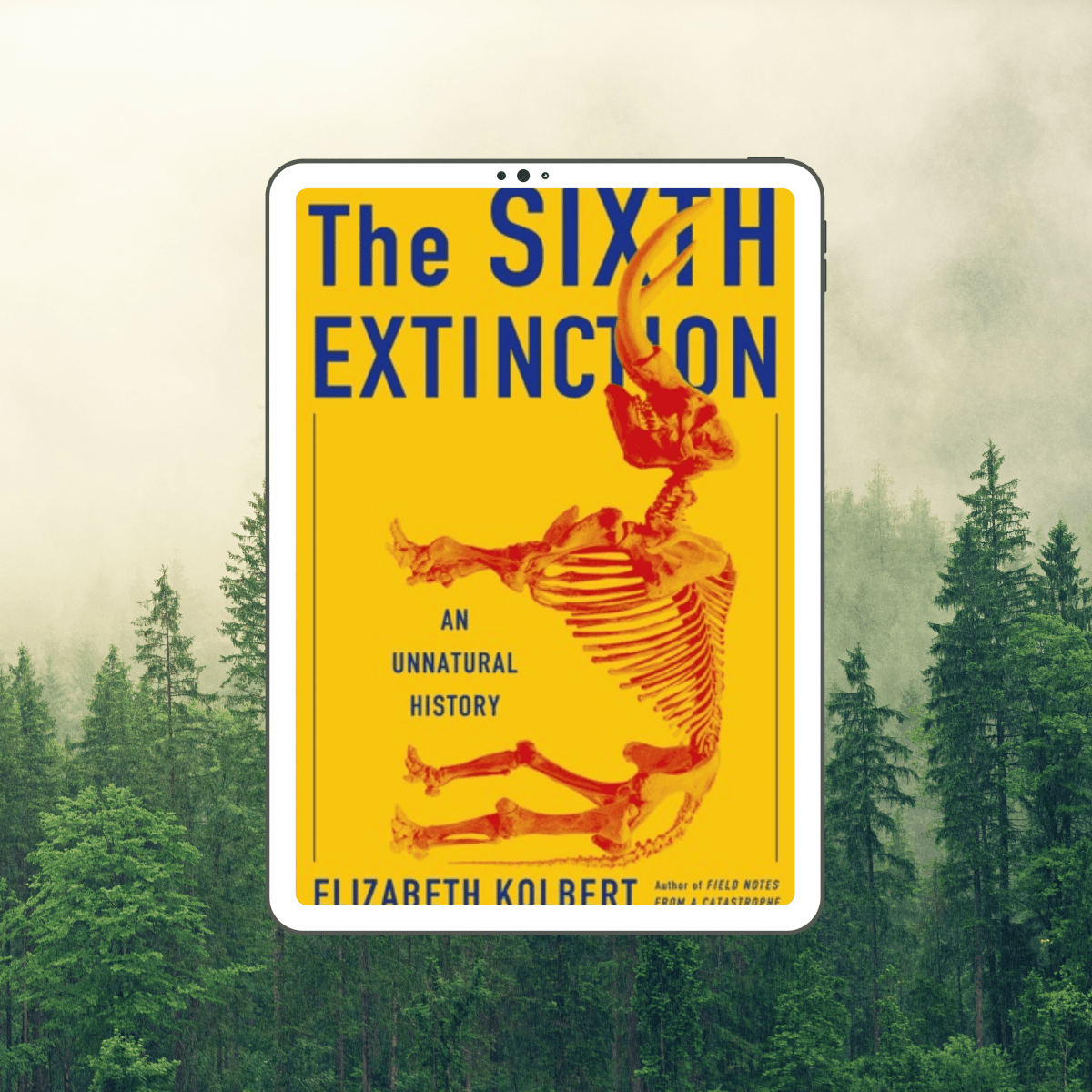
Book Review: The Sixth Extinction by Elizabeth Kolbert
In The Sixth Extinction: An Unnatural History, Elizabeth Kolbert traces the devastating consequences of human activity on Earth’s biodiversity, documenting…
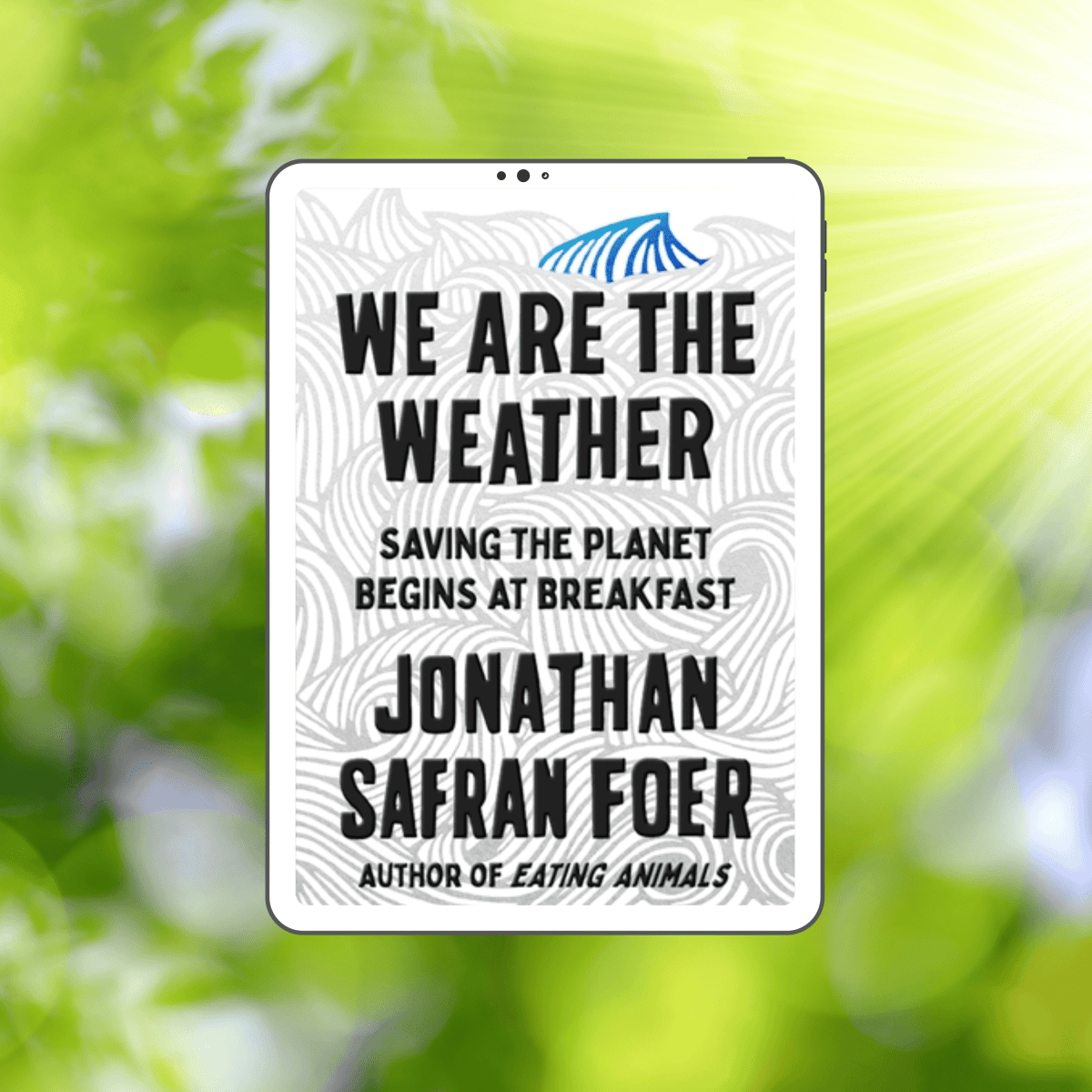
Book Review: We Are the Weather by Jonathan Safran Foer
We Are the Weather: Saving the Planet Begins at Breakfast by Jonathan Safran Foer is a compelling call to action…

Book Review: The Story of Stuff by Annie Leonard
The Story of Stuff by Annie Leonard uncovers the hidden toll of consumer culture on the environment and society, urging…

Book Review: Silent Spring by Rachel Carson
Rachel Carson’s groundbreaking book, Silent Spring, reveals the hidden dangers of pesticides, particularly DDT, and urges readers to reconsider our…
Something went wrong. Please refresh the page and/or try again.
Discover more from Words of the Earth
Subscribe to get the latest posts sent to your email.
 Words of the Earth
133 Comments Add yours