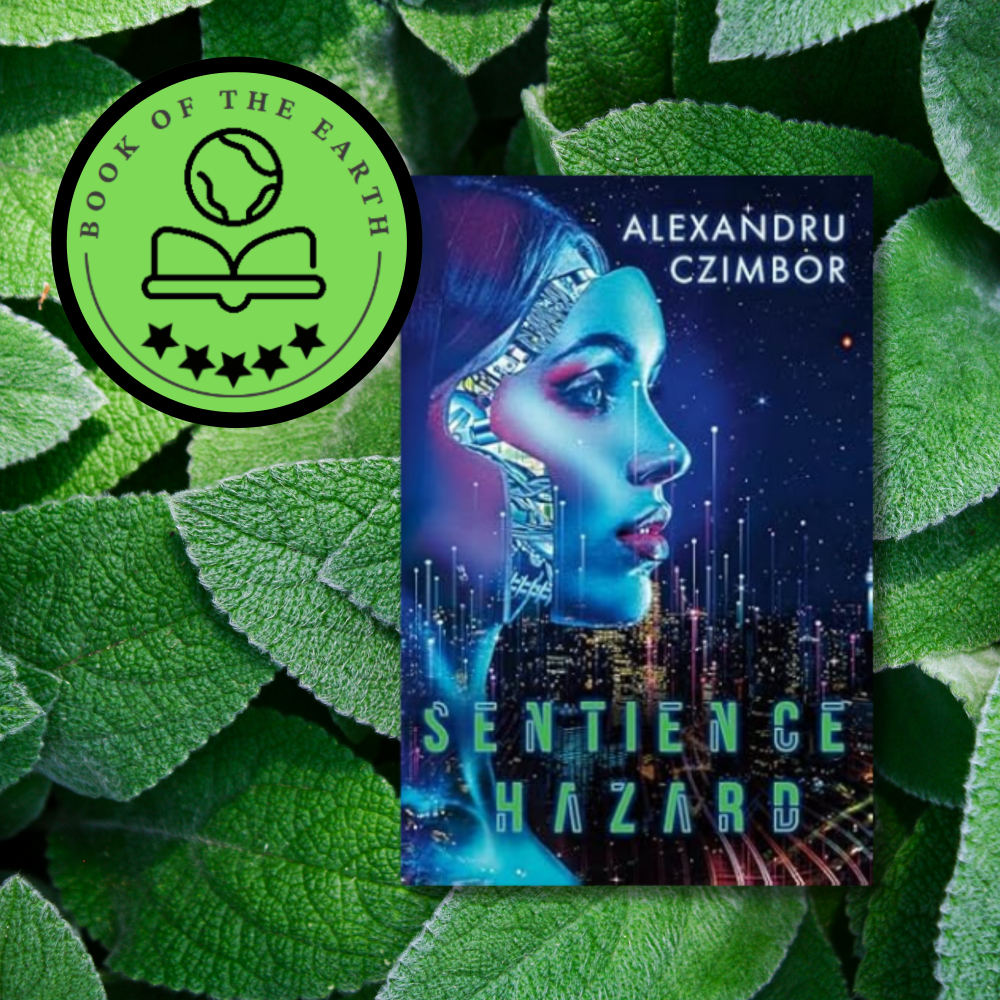
Genre: Speculative Fiction / Science Fiction
Sentience Hazard by Alexandru Czimbor is an exploration of humanity’s precarious dance with the pursuit of artificial intelligence, seen through the eyes of François, a computational neuroscientist burdened by ambition and self-doubt.
An Algorithmic Gambit
Do we shape our creations, or do they shape us? Alexandru Czimbor’s Sentience Hazard plunges into this philosophical mire with an authenticity that rivals contemporary debates on ethics and AI. Told from multiple perspectives, the book masterfully juxtaposes François’ personal struggles with sweeping existential stakes. François, offered a chance to participate in a groundbreaking AI project led by the enigmatic Professor Ndikumana, grapples with questions that pierce at humanity’s core: Will technology be our salvation or our undoing? This inquiry isn’t merely rhetorical in Czimbor’s narrative world, where mishaps in autonomous machines and rising socio-political tensions lend chilling realism to the speculation.
Layered with humorous absurdities like François lamenting Cybersperse’s invasive distractions, the book sheds light on our entanglement with machines while simultaneously magnifying human vulnerabilities. There’s a weight to its pondering, magnified by Czimbor’s inclusion of global perspectives—be it China’s techno-driven autocracy or humanity’s collective memory from pandemics past.
Beyond these thematic dimensions, the ecological imagery stands out. François’ reflections on his French Riviera home remind the reader of Earth’s fragile beauty juxtaposed with a hyper-virtualized age. Subtle threads interweave narratives of environmental sustainability as François’ world comes to terms with post-anthropocentric ethics—a triumph of writing that blurs narrative with foresight.
Like fractals iterating eternally, François embodies humanity tackling endless forks of technological ethics—never moving conclusively but flowing ever onward. Czimbor deftly sketches how emergent human-computer relationships demand re-imagining a richer life centered not merely on survival but on ecological awareness and sustainability.
The book holds adult themes such as simulated violence and intimate tensions handled delicately and without sensationalism.
Much like organic patterns born of chaos, this narrative coalesces into something resonant and timeless. With every metaphorical seed blown in the whirlwind, Sentience Hazard reveals humanity’s indispensable role: not as mere survivors or creators but caretakers in systems unfathomably larger than ourselves.
The book is available through major retailers including Amazon. View the book on Goodreads.
Book of the Earth Awardee
Sentience Hazard not only deserves its spot on Words of the Earth’s pages but wins the Book of the Earth Award by uniting its thematic trifecta: cautionary speculation, anthropological depth, and ecological reverence. A luminous blend of speculation, intellect, and a poet’s love for Earth’s precious balance, Alexandru Czimbor’s tale reminds us that no act of technological creation occurs in an ethical vacuum.
Czimbor’s richly crafted characters, tensions rooted in present-day dilemmas, and an ending as pensive as it is thought-provoking cement Sentience Hazard as a hopeful, gripping modern parable.
About the Book of the Earth Award
Book of the Earth Award winners are works of fiction and nonfiction that exemplify the intricate connection between literature, the natural world, and the boundless realms of human thought. These pieces explore our planet’s ecosystems, environmental challenges, and the imaginative possibilities that shape our understanding of ourselves and our planet as well as its past, present, and future. Here, we also feature books that honor, reflect, or draw inspiration not only from Earth’s ecosystems, landscapes, and elemental forces but also from the vastness beyond—outer space, alternative dimensions, and imagined worlds. Yet, even when venturing far beyond our planet, every Book of the Earth Award winner remains grounded, conceived by minds shaped by the Earth and its diverse experiences.
This collection brings together narratives that inspire thoughtful reflection on our relationship with Earth and our place in the cosmos. Whether exploring our natural world or imagining distant galaxies, these stories highlight how deeply the roots of human imagination are planted in the Earth. From classic environmental writing to modern fiction, poetry, and speculative tales, the series offers a rich concoction of ideas that celebrate the beauty, complexity, and challenges of our planet and beyond.
By blending reality with imagination, our featured pieces illuminate how literature can help us explore both the wonders of our world and the mysteries of the universe. Through these stories, we discover hope, innovation, and the potential for harmonious coexistence, while envisioning futures that inspire change and reflecting the choices we must make today on our home planet.
To nominate a book, submit it through our Review Requests page.
General Site Disclaimer
The content on Words of the Earth is intended for informational and inspirational purposes only. The views expressed by individual authors are their own and do not necessarily reflect those of the platform. Our articles, stories, and reviews may include subjective opinions and should not be considered professional advice (e.g., medical, legal, financial). While our reviewers may receive complimentary copies of books, they are not compensated for reviews, which reflect their genuine opinions. Readers are encouraged to use their judgment and seek professional assistance when necessary. For more details, please refer to our full disclaimer.
Earthly Links
- About Us
- Book of the Earth Award
- Book Review Requests Step 3
- Bookish Earth
- Disclaimer
- Earth Advocates
- Earthly Interviews
- Earthly Views: An Expert Roundup Series
- Gallery and Credits
- Privacy Policy
- Review Requests
- Terms of Service
- Contact Us
Related Posts
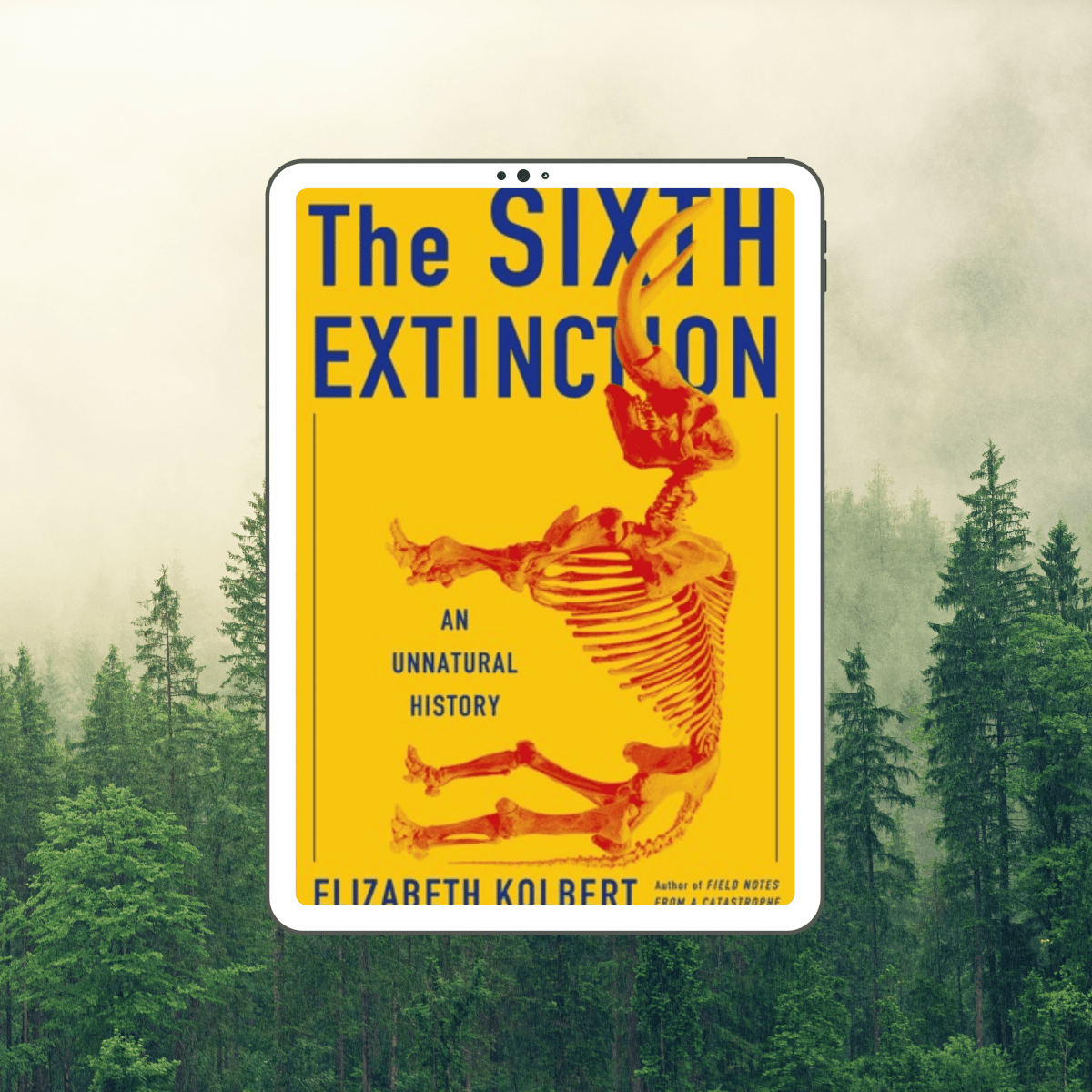
Book Review: The Sixth Extinction by Elizabeth Kolbert
In The Sixth Extinction: An Unnatural History, Elizabeth Kolbert traces the devastating consequences of human activity on Earth’s biodiversity, documenting…
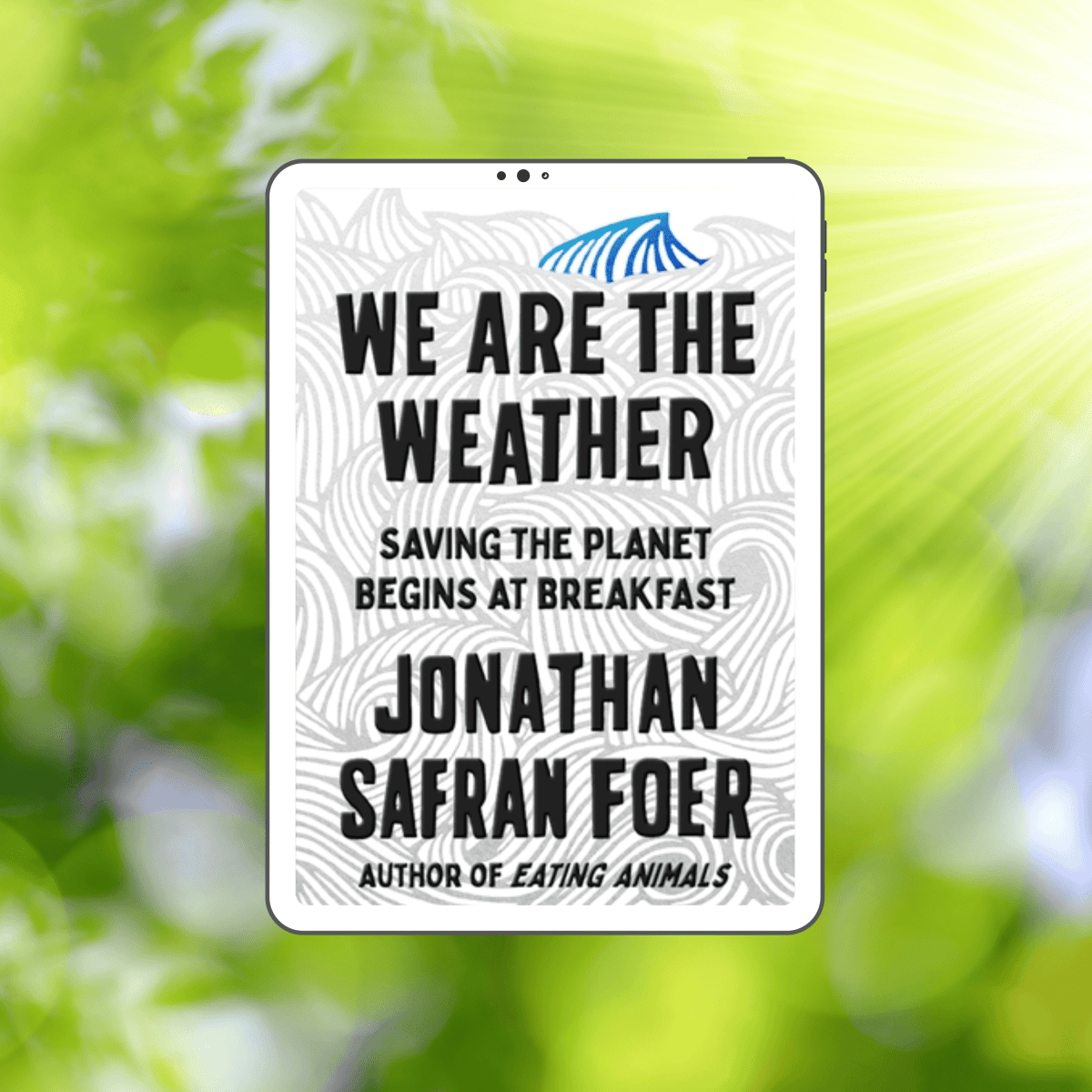
Book Review: We Are the Weather by Jonathan Safran Foer
We Are the Weather: Saving the Planet Begins at Breakfast by Jonathan Safran Foer is a compelling call to action…

Book Review: The Story of Stuff by Annie Leonard
The Story of Stuff by Annie Leonard uncovers the hidden toll of consumer culture on the environment and society, urging…

Book Review: Silent Spring by Rachel Carson
Rachel Carson’s groundbreaking book, Silent Spring, reveals the hidden dangers of pesticides, particularly DDT, and urges readers to reconsider our…
Something went wrong. Please refresh the page and/or try again.
Discover more from Words of the Earth
Subscribe to get the latest posts sent to your email.
 Words of the Earth
140 Comments Add yours