Non-fiction, Climate Change
The Uninhabitable Earth: Life After Warming by David Wallace-Wells is a stark, sweeping account that lays bare the terrifying realities of climate change and the urgent need for action.
Earth’s Dire Warning
The Uninhabitable Earth by David Wallace-Wells forces readers to face a sobering and unsettling reality: the planet faces existential risks that are present and real rather than remote or abstract. The book begins with the terrifying declaration, “It is worse, much worse, than you think,” which sets the stage for an enlightening exploration of the disastrous effects of climate inaction. Wallace-Wells skillfully combines compelling stories with painstakingly gathered information to give the reader the impression that they are standing at the brink of possible futures rather than just reading about them. The author highlights the dire, cascading effects of climate change by using shocking data, such as the estimate that a 2.5 degree Celsius increase in global temperatures might result in a more than 20% drop in world economic productivity.
The book does not simply enumerate the dangers but paints them vividly. Rising seas swallowing coastal cities, wildfires raging with unprecedented intensity, and mass migrations fueled by uninhabitable zones are just some of the specters that haunt these pages. Wallace-Wells’ analysis makes it clear: these outcomes are not speculative fictions; they are plausible realities backed by rigorous studies. Yet, within this grim portrait lies a deeper call for introspection and urgency. The narrative forces readers to ask, “What can we do now, before these predictions become irreversible truths?”
The Uninhabitable Earth reverberates with themes that align perfectly with the mission of Words of the Earth. It is an impassioned testament to the consequences of ignoring our ecological responsibility and the interconnectedness of human well-being and environmental stewardship. Wallace-Wells lays bare not just the environmental toll but the social and economic disruptions that will follow, compelling readers to rethink their role in preserving the planet. It is an urgent manifesto reminding us that we are standing at a crossroads where our collective actions will shape the legacy we leave for future generations.
The book contains references to real-life natural disasters, societal upheavals, and distressing projections that may be emotionally heavy for some readers.
Reading this book is like witnessing a storm gather at sea, knowing that each choice we make determines whether it passes or crashes onto our shores with full force.
General Site Disclaimer
The content on Words of the Earth is intended for informational and inspirational purposes only. The views expressed by individual authors are their own and do not necessarily reflect those of the platform. Our articles, stories, and reviews may include subjective opinions and should not be considered professional advice (e.g., medical, legal, financial). While our reviewers may receive complimentary copies of books, they are not compensated for reviews, which reflect their genuine opinions. Readers are encouraged to use their judgment and seek professional assistance when necessary. For more details, please refer to our full disclaimer.
Earthly Links
- About Us
- Book of the Earth Award
- Book Review Requests Step 3
- Bookish Earth
- Disclaimer
- Earth Advocates
- Earthly Interviews
- Earthly Views: An Expert Roundup Series
- Gallery and Credits
- Privacy Policy
- Review Requests
- Terms of Service
- Contact Us
Related Posts
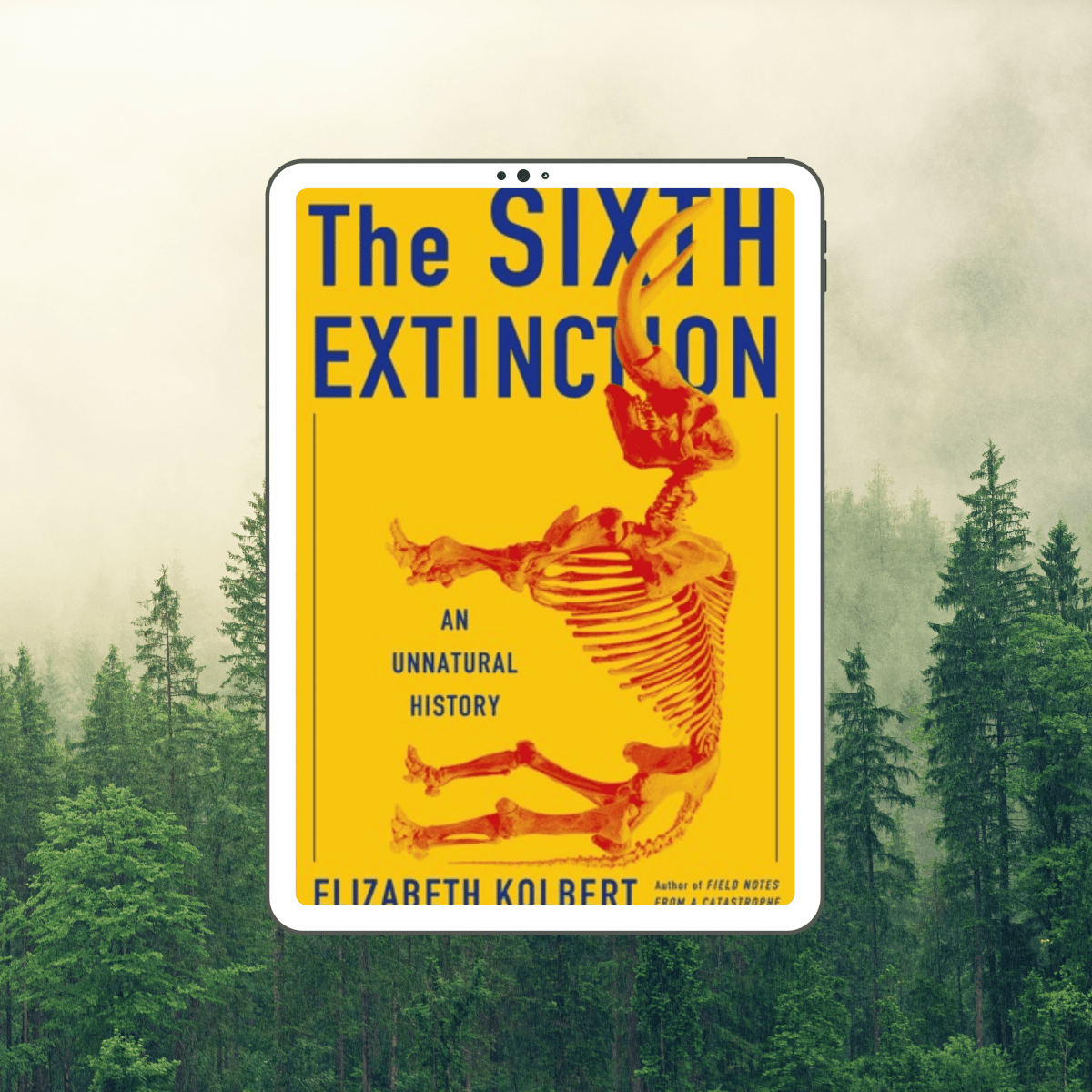
Book Review: The Sixth Extinction by Elizabeth Kolbert
In The Sixth Extinction: An Unnatural History, Elizabeth Kolbert traces the devastating consequences of human activity on Earth’s biodiversity, documenting…
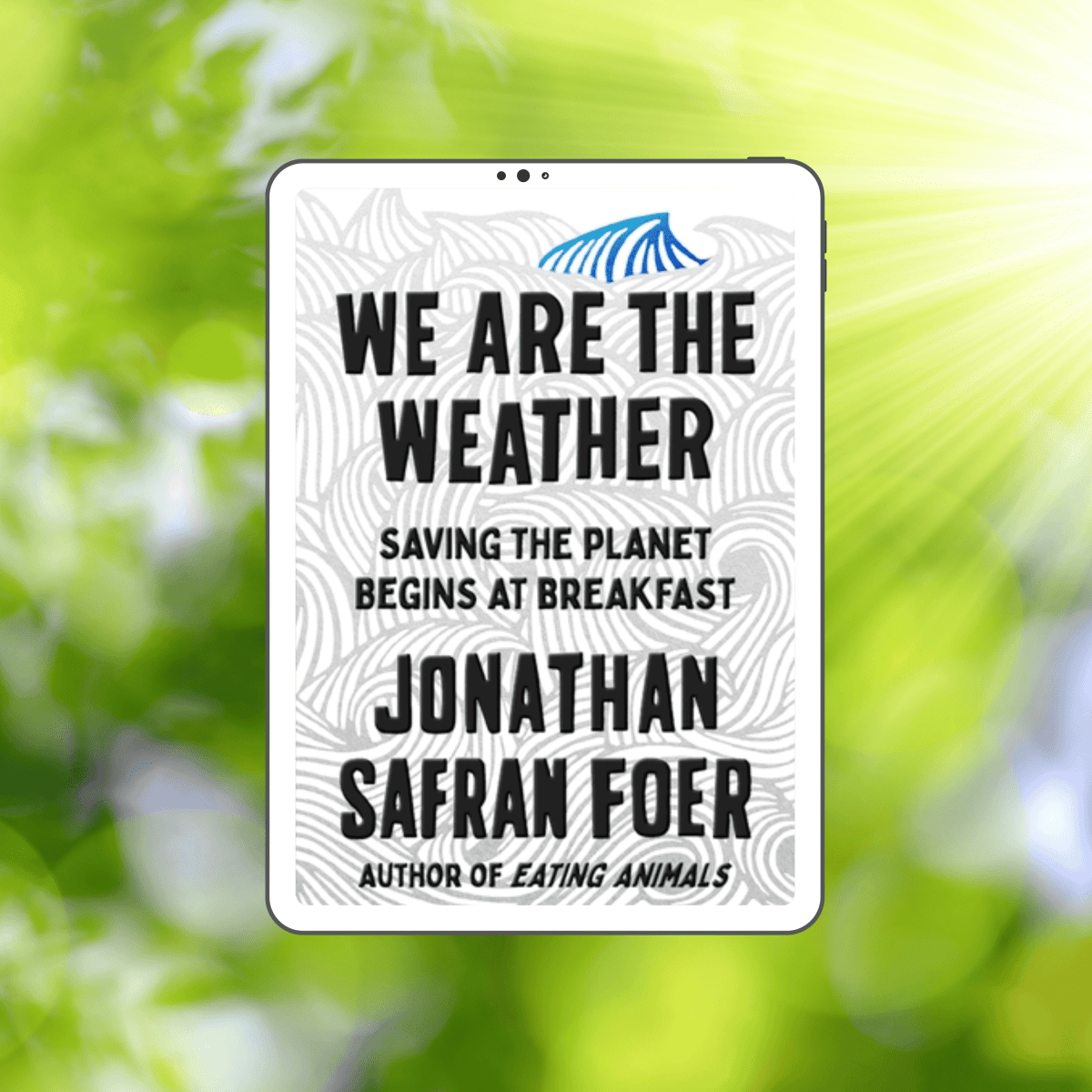
Book Review: We Are the Weather by Jonathan Safran Foer
We Are the Weather: Saving the Planet Begins at Breakfast by Jonathan Safran Foer is a compelling call to action…

Book Review: The Story of Stuff by Annie Leonard
The Story of Stuff by Annie Leonard uncovers the hidden toll of consumer culture on the environment and society, urging…

Book Review: Silent Spring by Rachel Carson
Rachel Carson’s groundbreaking book, Silent Spring, reveals the hidden dangers of pesticides, particularly DDT, and urges readers to reconsider our…
Something went wrong. Please refresh the page and/or try again.
Discover more from Words of the Earth
Subscribe to get the latest posts sent to your email.
 Words of the Earth