- 5 out of 5 stars
- Spectrum by Aidan J. Reid
- Science Fiction
A controversial experimental drug promises enhanced perception, but its unsettling effects reveal a darker side to scientific advancement.
Perception Meets Reality
The human eye perceives only a tiny sliver of the electromagnetic spectrum, about 0.0035% to be exact. It’s a humbling reminder of how limited our senses are, how much of reality remains hidden, and how easy it is to be seduced by the idea of seeing more. What if a drug could push those boundaries? That’s the unnerving premise behind Spectrum, where BioLuminary Enterprises is conducting trials on a new therapy that claims to open up a new world of perception. It’s the kind of scientific leap that makes you wonder—do we really want to see what’s out there, or are we better off in the dark? This story doesn’t just dabble in speculative fiction; it delves into ethical grey areas that feel all too plausible in a world where technology and medicine are evolving at breakneck speed.
The short story takes readers through the experience of a volunteer who decides to participate in BioLuminary’s experiment. The allure of seeing beyond the normal range of vision is too tempting to resist, but there’s a catch, as there always is. With chilling precision, Reid sketches a narrative that is as much a psychological exploration as it is a commentary on the risks of pushing the limits of science without fully understanding the consequences. The experiment quickly morphs from a promising scientific breakthrough into a disturbing journey through altered reality, leaving both the protagonist and the reader questioning the price of progress. This compact but gripping story manages to balance suspense, science, and a touch of dread, all wrapped in an accessible, page-turning format.
Spectrum doesn’t explicitly address environmental or ecological issues, but the implications of tampering with human perception extend to how we interact with our surroundings. The quest to see more, to know more, can be likened to humanity’s relentless drive to control and alter nature, often without considering the consequences. In this sense, the story becomes an allegory for the dangers of meddling with systems we barely understand, be they natural ecosystems or the human mind. It serves as a stark reminder that sometimes the cost of innovation can be too high, particularly when it blurs the line between enhancement and manipulation.
The narrative includes moments of unsettling tension, with hints of ethical concerns and mild language, but it avoids overtly graphic content.
Reading Spectrum is like peering through a keyhole into a room full of shadows—enticing, yet unnerving, as it dares you to open the door and confront what lies beyond the reach of ordinary vision.
General Site Disclaimer
The content on Words of the Earth is intended for informational and inspirational purposes only. The views expressed by individual authors are their own and do not necessarily reflect those of the platform. Our articles, stories, and reviews may include subjective opinions and should not be considered professional advice (e.g., medical, legal, financial). While our reviewers may receive complimentary copies of books, they are not compensated for reviews, which reflect their genuine opinions. Readers are encouraged to use their judgment and seek professional assistance when necessary. For more details, please refer to our full disclaimer.
Earthly Links
- About Us
- Book of the Earth Award
- Book Review Requests Step 3
- Bookish Earth
- Disclaimer
- Earth Advocates
- Earthly Interviews
- Earthly Views: An Expert Roundup Series
- Gallery and Credits
- Privacy Policy
- Review Requests
- Terms of Service
- Contact Us
Related Posts
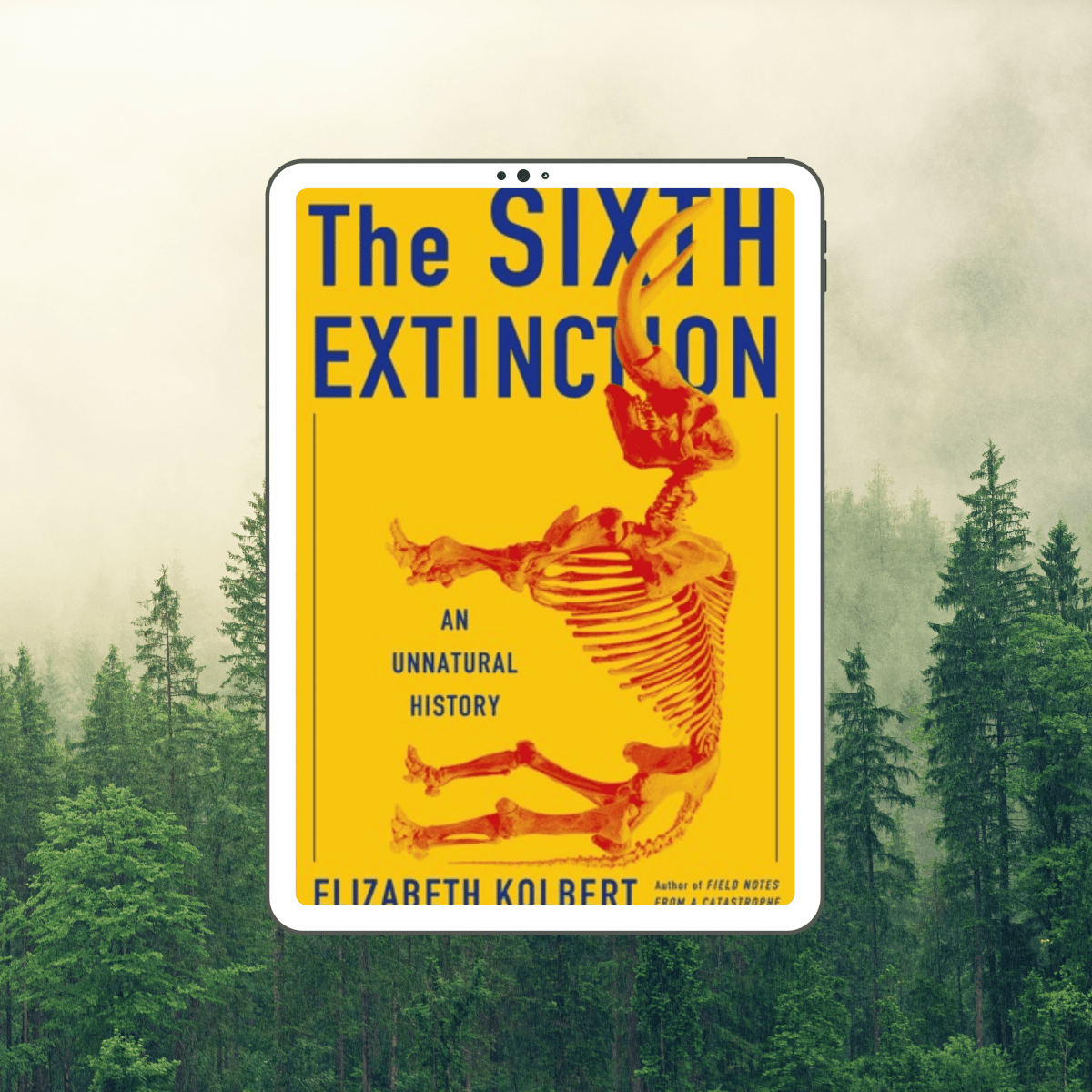
Book Review: The Sixth Extinction by Elizabeth Kolbert
In The Sixth Extinction: An Unnatural History, Elizabeth Kolbert traces the devastating consequences of human activity on Earth’s biodiversity, documenting…
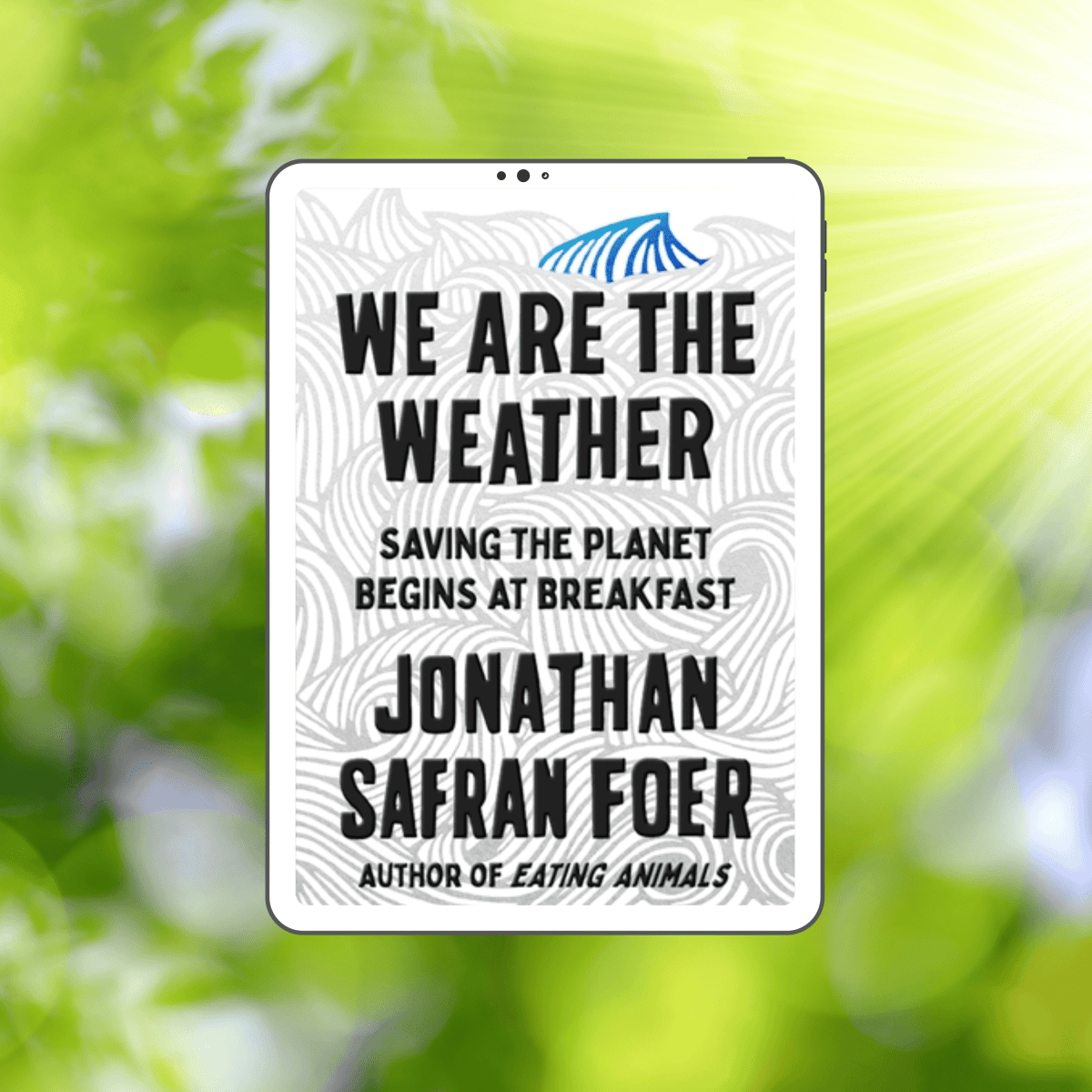
Book Review: We Are the Weather by Jonathan Safran Foer
We Are the Weather: Saving the Planet Begins at Breakfast by Jonathan Safran Foer is a compelling call to action…

Book Review: The Story of Stuff by Annie Leonard
The Story of Stuff by Annie Leonard uncovers the hidden toll of consumer culture on the environment and society, urging…

Book Review: Silent Spring by Rachel Carson
Rachel Carson’s groundbreaking book, Silent Spring, reveals the hidden dangers of pesticides, particularly DDT, and urges readers to reconsider our…
Something went wrong. Please refresh the page and/or try again.
Discover more from Words of the Earth
Subscribe to get the latest posts sent to your email.
 Words of the Earth