Genre: Non-fiction, Nature, Environmental Science
The Hidden Life of Trees by Peter Wohlleben uncovers how trees communicate, cooperate, and sustain the forests they inhabit.
Review
Whispers Among Giants
Walking through a forest, one might not realize the invisible conversations occurring beneath their feet. Peter Wohlleben’s The Hidden Life of Trees invites readers into this astonishingly complex world where trees, often perceived as solitary beings, live intertwined lives of mutual support and silent cooperation. The book draws on Wohlleben’s years of experience as a forester and presents scientific research with an inviting warmth that makes the pages come alive. Who would have thought that a tree could “talk” by releasing chemical signals or that their roots, aided by a network of fungi known as the “wood-wide web,” share nutrients with struggling neighbors? These revelations paint forests not as disconnected clusters of trees but as deeply connected communities where survival hinges on collaboration.
Wohlleben skillfully blends anecdotal stories with empirical facts to illustrate the hidden dynamics of forests. His descriptions of ancient beech trees supporting the growth of saplings or an entire forest working as a team to regulate temperature and ward off pests elevate the trees from mere scenery to protagonists in their own right. This narrative not only reshapes how we perceive trees but urges us to reconsider our role in preserving these ecosystems. The author’s portrayal of the intricate balance between tree species and their environment underscores the essential, symbiotic relationship between forests and the health of our planet. When we consider how forests absorb carbon, regulate water cycles, and sustain countless species, it becomes clear that Wohlleben’s insights extend beyond admiration; they are a clarion call for conservation.
Without overt dramatics or sensationalism, Wohlleben’s words evoke awe. His storytelling compels us to ask: if trees can show such care for one another, what lessons can we learn about coexistence? He reminds us that the fate of these great, towering beings is closely linked to our own. This realization lends urgency to protecting forests not just for their intrinsic worth but for the survival of countless interconnected life forms, including humanity.
The book’s serene wisdom and eye-opening observations make it a must-read for nature lovers and advocates of sustainable living. Like a silent orchestra, Wohlleben’s work reverberates with a profound message: that beneath the forest canopy, there is an entire world bound by invisible threads of resilience and kinship. This book has a remarkable ability to inspire reverence for the natural world and highlight the importance of coexistence. Its pages gently persuade readers to recognize the silent, steadfast guardians of our world and remind us that by protecting them, we protect ourselves.
General Site Disclaimer
The content on Words of the Earth is intended for informational and inspirational purposes only. The views expressed by individual authors are their own and do not necessarily reflect those of the platform. Our articles, stories, and reviews may include subjective opinions and should not be considered professional advice (e.g., medical, legal, financial). While our reviewers may receive complimentary copies of books, they are not compensated for reviews, which reflect their genuine opinions. Readers are encouraged to use their judgment and seek professional assistance when necessary. For more details, please refer to our full disclaimer.
Earthly Links
- About Us
- Book of the Earth Award
- Book Review Requests Step 3
- Bookish Earth
- Disclaimer
- Earth Advocates
- Earthly Interviews
- Earthly Views: An Expert Roundup Series
- Gallery and Credits
- Privacy Policy
- Review Requests
- Terms of Service
- Contact Us
Related Posts
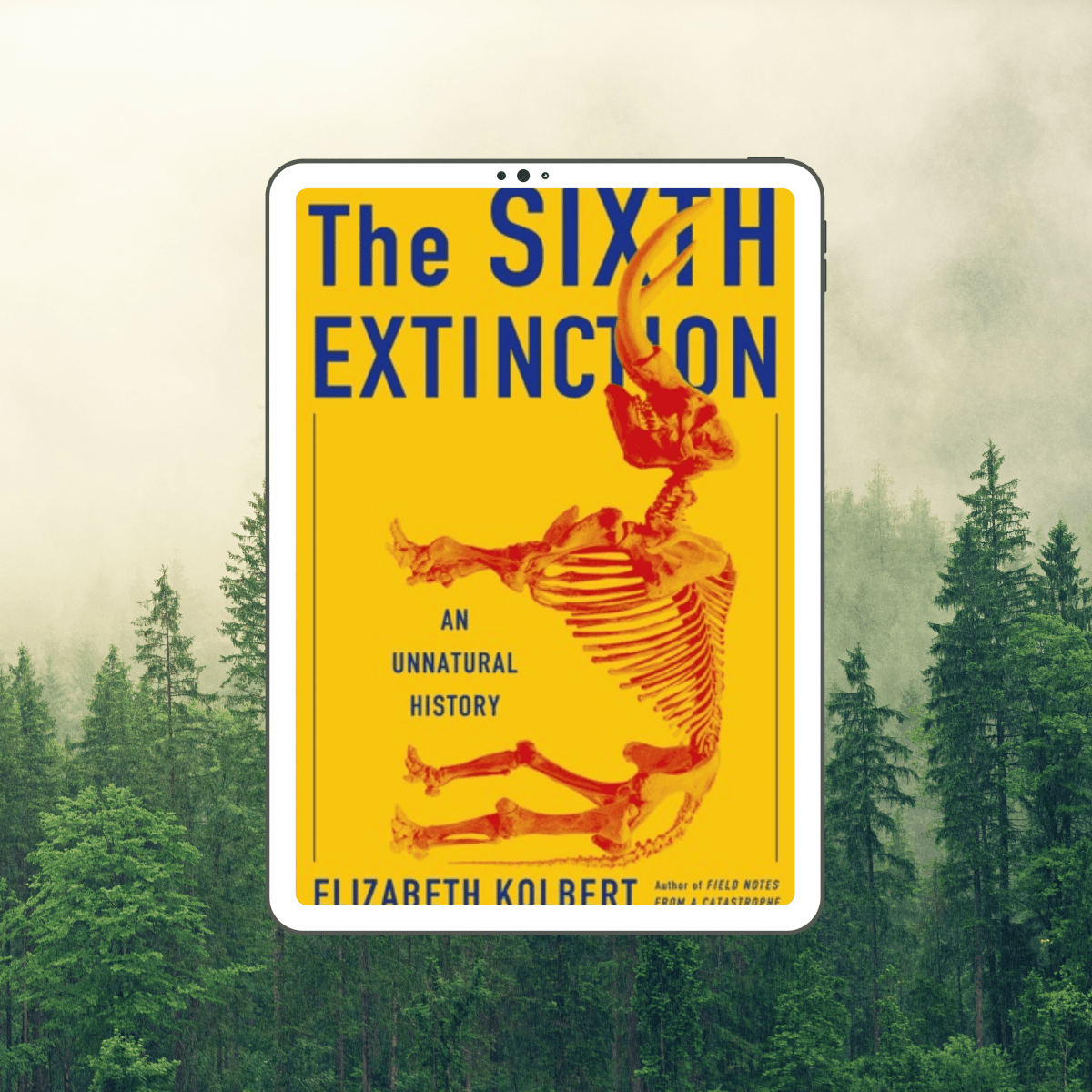
Book Review: The Sixth Extinction by Elizabeth Kolbert
In The Sixth Extinction: An Unnatural History, Elizabeth Kolbert traces the devastating consequences of human activity on Earth’s biodiversity, documenting…

Book Review: We Are the Weather by Jonathan Safran Foer
We Are the Weather: Saving the Planet Begins at Breakfast by Jonathan Safran Foer is a compelling call to action…

Book Review: The Story of Stuff by Annie Leonard
The Story of Stuff by Annie Leonard uncovers the hidden toll of consumer culture on the environment and society, urging…

Book Review: Silent Spring by Rachel Carson
Rachel Carson’s groundbreaking book, Silent Spring, reveals the hidden dangers of pesticides, particularly DDT, and urges readers to reconsider our…
Something went wrong. Please refresh the page and/or try again.
Discover more from Words of the Earth
Subscribe to get the latest posts sent to your email.
 Words of the Earth
We need that awe, and we need to realize that living entities surround us and that we are all interconnected if we want to foster the empathy and respect nature deserves and desperately needs.
LikeLike