- 3 out of 5 stars
- When I Was Not Myself by Christine Jayne Vann
- Science Fiction
In a world where memory manipulation becomes a therapeutic tool, one person’s quest for identity reveals the fragile balance between progress and ethics.
Identity in Question
We’ve all experienced the minor inconveniences of forgetting where we left our keys or blanking on someone’s name at a crucial moment. It can be frustrating, but imagine a scenario where your entire sense of self—your memories, your identity—slips away like sand through your fingers. That’s the unsettling yet captivating premise of When I Was Not Myself, a short story that explores what it means to lose one’s identity and the ethical implications of tinkering with the very fabric of who we are. The story invites readers to ponder a world where memory can be controlled, erased, and even engineered to suit certain therapeutic goals. While the idea might initially seem like a dream cure for traumas, it raises unsettling questions about the cost of such advancements and whether the human experience should be subject to such alteration.
The book looks into the concept of “Metanoia,” an experimental therapy designed to selectively erase memories, allowing patients a fresh start or a reprieve from certain psychological burdens. The protagonist undergoes this treatment, only to find that the absence of memories brings its own set of challenges. As the narrative unfolds, the lines between therapy and manipulation blur, and what starts as an attempt to help begins to look like a dangerous game with the mind. Vann’s exploration of memory and identity is both poignant and thought-provoking, offering a glimpse into a future where the cure for our troubles might just lead to new kinds of ethical dilemmas. It’s a story that makes you wonder how much control over memory would be too much and whether such advancements would liberate or imprison us.
While the story does not explicitly engage with themes of the environment or sustainability, it implicitly touches upon the ethics of technological advancements. The manipulation of memory serves as a metaphor for how far humanity is willing to go to engineer solutions, even at the risk of tampering with natural processes. The idea of controlling and erasing memories suggests a disregard for the organic evolution of human experience, much like how some modern interventions can disrupt ecological balances. It’s a subtle nod to the broader questions of whether we should always strive to control or reshape things that may be best left alone.
The narrative is mostly free of explicit content, though it engages with the complex ethical landscape of experimental therapies, which might provoke strong feelings in some readers.
Reading When I Was Not Myself is like peering through a fogged window into a world where every reflection is slightly distorted, challenging you to question what’s real, what’s right, and what’s worth remembering.
General Site Disclaimer
The content on Words of the Earth is intended for informational and inspirational purposes only. The views expressed by individual authors are their own and do not necessarily reflect those of the platform. Our articles, stories, and reviews may include subjective opinions and should not be considered professional advice (e.g., medical, legal, financial). While our reviewers may receive complimentary copies of books, they are not compensated for reviews, which reflect their genuine opinions. Readers are encouraged to use their judgment and seek professional assistance when necessary. For more details, please refer to our full disclaimer.
Earthly Links
- About Us
- Book of the Earth Award
- Book Review Requests Step 3
- Bookish Earth
- Disclaimer
- Earth Advocates
- Earthly Interviews
- Earthly Views: An Expert Roundup Series
- Gallery and Credits
- Privacy Policy
- Review Requests
- Terms of Service
- Contact Us
Related Posts
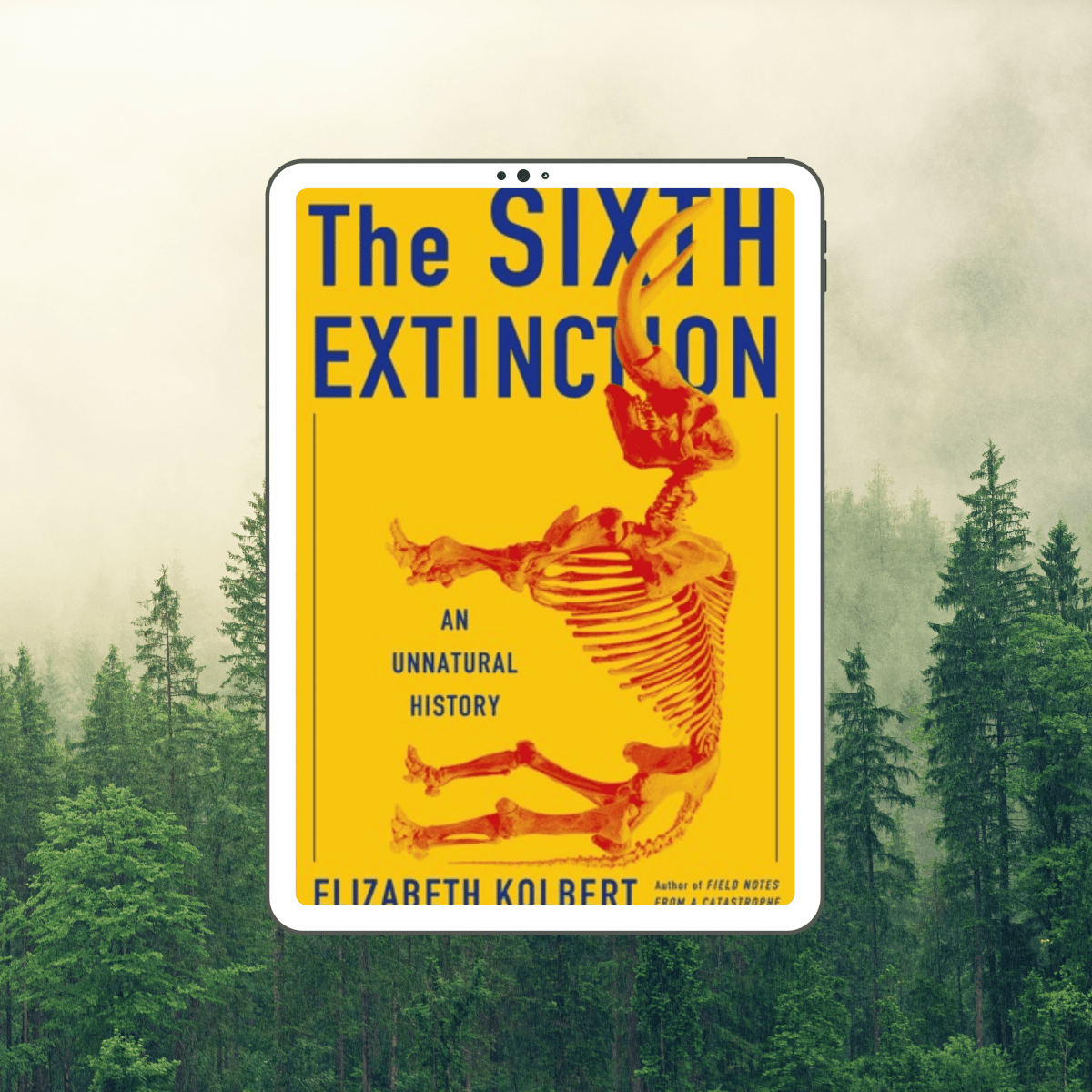
Book Review: The Sixth Extinction by Elizabeth Kolbert
In The Sixth Extinction: An Unnatural History, Elizabeth Kolbert traces the devastating consequences of human activity on Earth’s biodiversity, documenting…

Book Review: We Are the Weather by Jonathan Safran Foer
We Are the Weather: Saving the Planet Begins at Breakfast by Jonathan Safran Foer is a compelling call to action…

Book Review: The Story of Stuff by Annie Leonard
The Story of Stuff by Annie Leonard uncovers the hidden toll of consumer culture on the environment and society, urging…

Book Review: Silent Spring by Rachel Carson
Rachel Carson’s groundbreaking book, Silent Spring, reveals the hidden dangers of pesticides, particularly DDT, and urges readers to reconsider our…
Something went wrong. Please refresh the page and/or try again.
Discover more from Words of the Earth
Subscribe to get the latest posts sent to your email.
 Words of the Earth